1

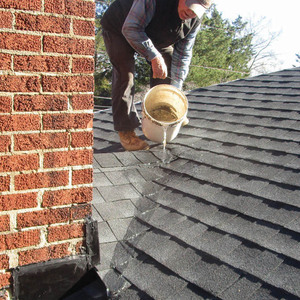
When you strip an asphalt roof, what do you do with the old shingles? If you’re like most builders, you haul them to the dump. Around 11 million tons of shingles are dragged to the dump every year, but these mountains of scrap don’t need to keep growing. Discarded asphalt shingles can be recycled to make hot-mix asphalt used to pave roads. Currently, 21 states have asphalt-shingle recycling programs, and 10, along with parts of Canada, are turning old shingles into new road surfaces. According to a report by the National Center for Asphalt Technology at Auburn University, roads that are built with recycled shingles in the mix are stiffer and more resistant to ruts and cracks.
Hot-mix asphalt isn’t the only end use. Incorporated Industries (www.incorpind.com) of Bloomfield, Conn., accepts shingles from roof tearoffs for about half the dumping fee ($40 a ton versus $70 a ton) and sells a driveway base that is a mixture of ground-up roofing shingles, concrete, and asphalt. Recycling shingles isn’t quite as easy as it ought to be. Many facilities prefer scraps from shingle manufacturers rather than debris from tearoffs because the nails and wood can damage grinder blades. Ken Ouellette, owner of the recycling center Incorporated Industries, combined a few existing machines to devise one that removes nails and other debris. “It’s not real pretty, but it does the job pretty well,” says Ouellette. The nails are separated in the first stage of grinding. They land in a barrel, and Ouellette then sells them for scrap while the shingles move on to the second stage of grinding.


Another drawback is that many old shingles were made with asbestos, so some states require that shingles be tested before recycling. To find out where you can recycle asphalt shingles in your state, go to www.shinglerecycling.org.
To learn more about the process take a guided video tour of Ken Ouellette’s asphalt-shingle recycling center.
Photos by Daniel S. Morrison