Q:
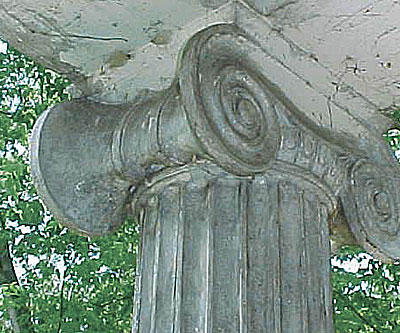
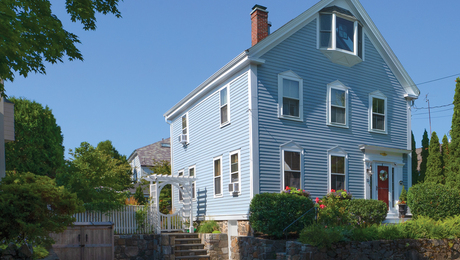
We painted our house last spring, but now there’s a black mildew growth on porch columns and other exterior trim (see photo). We stripped the old paint, sanded, primed with oil-base primer, and then topcoated with oil-base paint. Even after cleaning with bleach, the growth returns. How can we solve this problem?
Sue Troester, Chillicothe, OH
A:
Paul Fisette, director of building-materials technology at the University of Massachusetts, replies: Mildew spores are everywhere, so exposure to the source is impossible to control. If the wood or existing paint is infected, the mildew must be killed and removed before you add another coat of paint to the columns and trim. Mildew will grow through coatings of paint. For the best results, you should strip the paint to a point below the level of infection, down to bare wood again.
To kill the mildew, try this: Mix together 1 part bleach (to kill) to 3 parts water (the carrier) to 1/4 cup of dishwashing liquid (to increase effectiveness through surface wetting). Spray the affected surface generously with the mix. Don’t touch for 15 minutes after spraying so that the cleaning brew can soak into cracks and pores in the wood trim. Then, using the same cleaning formula, scrub the surfaces with a stiff brush.
Now comes the paint. It was a mistake to use an oil-base primer and topcoat. Oil-base paints, especially those made with linseed oil, are most vulnerable to mold. High-quality latex primers and topcoat paints provide the best resistance to mildew growth. Also, be sure to purchase paint that contains mildewcide. You can buy mildewcide separately and add it to the paint, but I don’t recommend this. Improper mixing can cause problems with the paint’s performance and appearance.