Q:
I want to insulate and drywall the attic in a house with a gambrel roof. I want to use unfaced fiberglass insulation and cover it with 6-mil plastic and then 1/2-in. drywall. Is this a good plan?
Douglas Koch, Portland, OR
A:
Bruce Harley, engineer and author of Build Like a Pro: Insulate and Weatherize, replies: While the combination of unfaced batts and plastic isn’t guaranteed to get you into trouble, it’s far from being my first choice. Plastic in a roof assembly often ends up trapping moisture. Warm, humid air from the bathroom and kitchen can find its way to the roof through partition walls, chimney chases, and electrical or plumbing holes. Also, the sun’s heat can drive moisture inward through the roof. A plastic vapor barrier won’t help you in the first case, and it definitely can make the second worse.
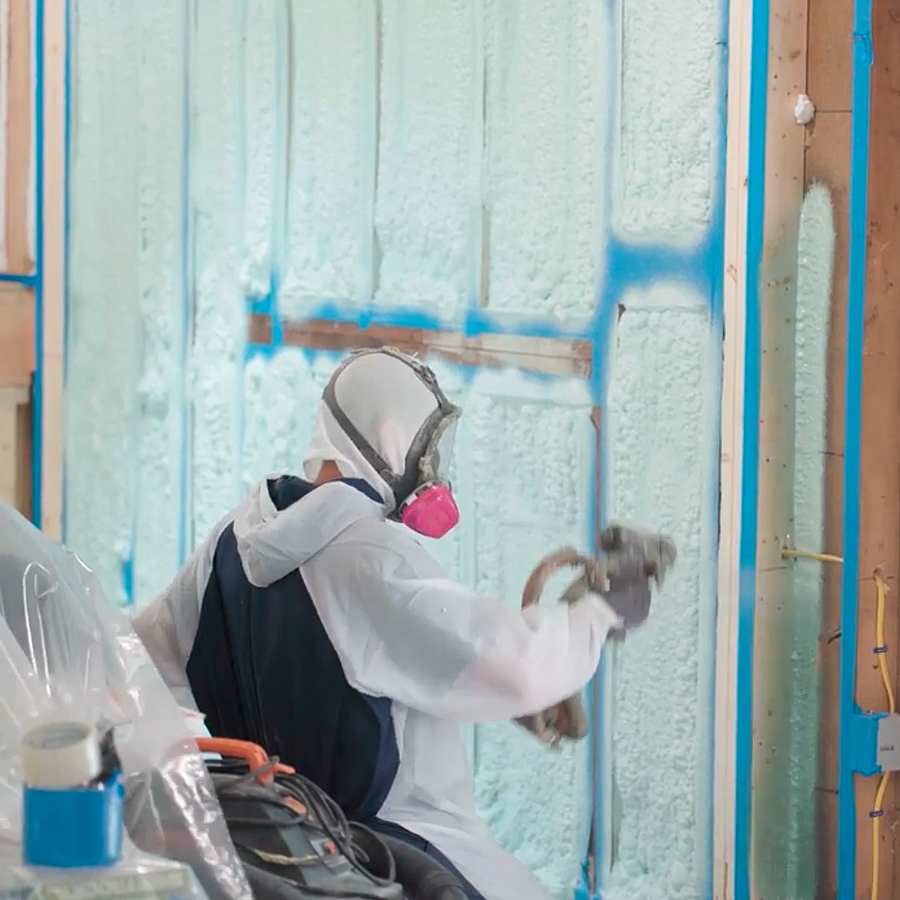
Oregon building code considers R-30 a minimum for sloped roofs, which is difficult to achieve with fiberglass batts unless the rafters are 2×10 or larger. The best solution is also the most expensive: sprayed-in-place foam. Alternatively, you can use unfaced batts and install 1-1/2 in. of rigid polystyrene-foam insulation on the ceiling and slopes. Because foams have high R-values, they eliminate the condensing surface that converts water vapor to liquid. Also, many foams are more vapor permeable than plastic, so they won’t trap airborne moisture. Both of these options will control vapor in addition to insulating. Either way, make sure the roof is vented properly, and seal all penetrations through wall plates into the attic or sloped roof with spray foam. Around a chimney, use noncombustible air stops, such as sheet metal with fire caulk.
If your building inspector wants an additional vapor retarder, use a vapor-retarding primer (such as ICI Ultra-Hide, Zinsser BIN, or Columbia Vapor Shield Latex Barrier) rather than plastic. Unlike plastic, a painted vapor retarder will alert you to a roof leak or excessive moisture.