previous
  • Patrick's Barn: A Perfect Place for a Party
    Patrick's Barn: A Perfect Place for a Party
  • Fine Homebuilding: The Digital Issues
    Fine Homebuilding: The Digital Issues
  • How To Make a Reciprocating-Saw Blade Guide Block
    How To Make a Reciprocating-Saw Blade Guide Block
  • Your Guide to Energy Smart Homes
    Your Guide to Energy Smart Homes
  • Top 10 Videos of 2011
    Top 10 Videos of 2011
  • Protecting a SIPS Roof from Decay
    Protecting a SIPS Roof from Decay
  • The Inspector Game: Goofs on a Roof
    The Inspector Game: Goofs on a Roof
  • How to Figure Out Concrete Volume with Sketchup
    How to Figure Out Concrete Volume with Sketchup
  • 10 Basement-Remodeling Tips and Techniques
    10 Basement-Remodeling Tips and Techniques
  • Wanted: Plumber for a Bathroom Remodel
    Wanted: Plumber for a Bathroom Remodel
  • Seven Steps to Choosing the Perfect Circular Saw
    Seven Steps to Choosing the Perfect Circular Saw
  • 7 Small Bathroom Layouts
    7 Small Bathroom Layouts
  • Replacing a Roof : Installing a Ridge Vent
    Replacing a Roof : Installing a Ridge Vent
  • How to Avoid Complicated Fractions
    How to Avoid Complicated Fractions
  • VIDEO: Stop Paint from Bleeding
    VIDEO: Stop Paint from Bleeding
next

Repairing tile membrane

Q: We are having a custom shower built. During installation of the granite walls, the tile membrane was sliced twice. We’ve debated whether the granite needs to come down and the pan re-covered with membrane, or if the membrane can be repaired. In times like these, I find myself wondering, “What would Tommy Meehan do?”


David Najman, via email


A:

Tom Meehan, owner of Cape Cod Tileworks, replies: Yes, you can repair a shower pan made of membrane. To get a really good patch, the repair should be in an open area of the membrane that is flat and easy to work on. Corner patches are more difficult.

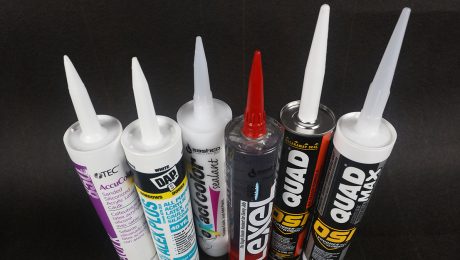
To patch the tear or hole, I cut a piece of membrane 2 in. larger than the damaged spot. I then use elastomeric caulk (Noble Sealant 150; www.noblecompany.com) to put on the patch. I fill the tear with caulk; then I apply it to the patch and the damaged area in the pan. I use enough caulk to make sure that the patch is sealed and bonded well, then press it with a block of wood to work it in well. The next day, I plug the drain, add a couple of inches of water to the shower pan, and let the water stand overnight. If the water doesn’t leak out, then the patch has done its job, and the repair is fine.


From Fine Homebuilding 188, pp. 98 July 1, 2007