Q:
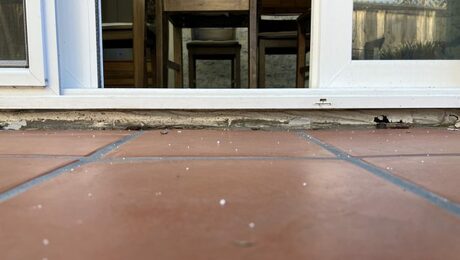
Our house has a textured-concrete walkway, and we would like to add a similar surface to an existing poured-concrete porch. Every contractor we’ve talked to wants to tear the old porch out and start from scratch. But the porch is built like a battleship, so the idea of demolishing it and replacing it with something less substantial at extra expense doesn’t make sense to us. No one can give us any alternatives. Isn’t there some way to bond a textured layer to the existing porch?
C. Pitt, Farmington, MI
A:
Rocky R. Geans, a concrete contractor in Mishawaka, Indiana, replies: Resurfacing concrete is something like painting a house. Whatever you’re applying is only as good as what you’re applying it to, so first you must prepare the surface properly, removing any foreign material and contaminants.
Begin by checking for any delaminated concrete, where the surface layer of concrete may have separated and may cause the new surface to flake off. The best way to check for delamination is to drag a chain across the concrete and to listen for differences in sound. A hollow sound indicates an area that is loose and must be removed.
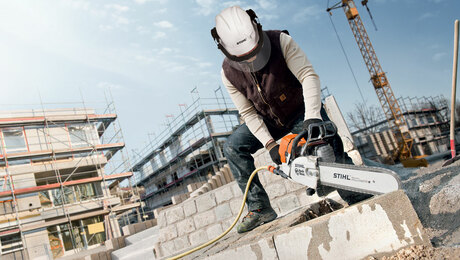
When all loose areas have been chipped away, the surface must then be cleaned and prepared for coating. Sandblasting is the easiest way to give a concrete surface a thorough cleaning. Before sandblasting, make sure the house and anything else that might get hit by overspray is taped off and protected. The sandblasting should be done evenly and thoroughly to create a consistent, rough surface similar to what you’d find on a sheet of fine sandpaper.
After sandblasting, check the surface with a water-drop test to make sure it’s clean. A water drop will soak into clean concrete, but any areas contaminated with oil, grease or some types of surface sealers will cause a water droplet to bead. If the water beads or rolls off the concrete, then the concrete will require further cleaning.
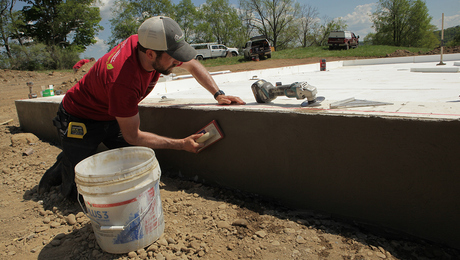
Once all areas have been cleaned well enough to pass the water-drop test, the entire area should be sprayed with water to remove dust or airborne particles. Next, patch any delaminated areas that had to be removed. I recommend Sonneborn’s (800-433-9517) SonoPatch 100 for this step. After the patching is finished, rough up the patch to make its surface is consistent with the rest of the area.
Now you’re ready to apply the surface coating. There are plenty of products on the market, but for your project I’d recommend Sonneborn’s Oncrete, which comes in a variety of colors and can be ordered with materials integrally mixed in for a nonskid surface. Whatever product you choose, just mix and apply the surface coating to the prepared surface according to the manufacturer’s recommendations.