
Snake Wire through Old Walls
Don’t let narrow wall cavities filled with plaster prevent you from running new wires.
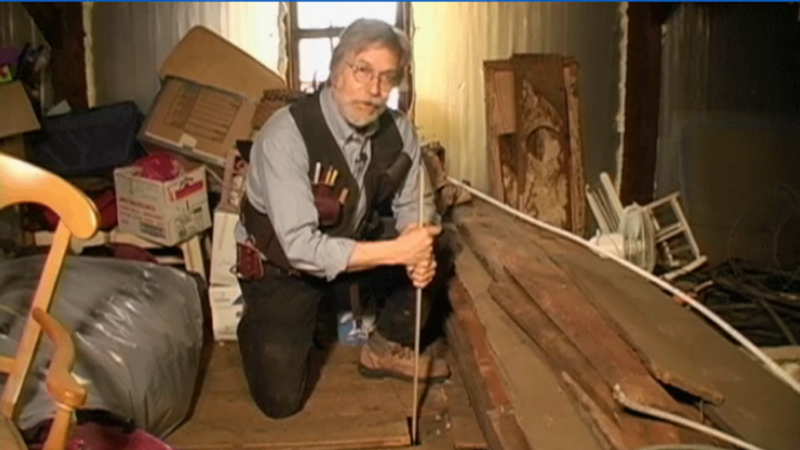
John Ross from Bethel, Conn., writes:
The walls in my old colonial have only a 1-in. cavity between the two planes of lath, and much of that space is obstructed by plaster keys. When I wanted run new electrical wires, I couldn’t use a snake because it kept getting hung up on the globs of plaster inside the walls. To make a channel for the wire and to provide something to hook the wire to so I could pull it through the wall, I used a 3/16-in. by 1-1/2-in. piece of lath I purchased at the local home store. Now when I want to run wire, I locate were I want my wire to run, either from up top or down below. Then I shove the lath through the cavity, breaking the plaster keys as I go. Because of its shape, the lath keeps to a straight line. It sometimes takes some work to get the lath to an outlet or light-switch location, but once it’s there, I simply attach my wire to it and pull it back through the wall.
