previous
  • 9 Design Ideas & Tips for Concrete Countertops
    9 Design Ideas & Tips for Concrete Countertops
  • 7 Solutions for Kitchen Layout and Design
    7 Solutions for Kitchen Layout and Design
  • Painting Ideas, Tips, and Techniques for a Professional Finish
    Painting Ideas, Tips, and Techniques for a Professional Finish
  • Fine Homebuilding: The Digital Issues
    Fine Homebuilding: The Digital Issues
  • Meet the Fine Homebuilding Project House!
    Meet the Fine Homebuilding Project House!
  • 7 Small Bathroom Floorplan Layouts
    7 Small Bathroom Floorplan Layouts
  • Energy-Smart Details
    Energy-Smart Details
  • 2012 HOUSES Awards
    2012 HOUSES Awards
  • 10 Basement-Remodeling Tips and Techniques
    10 Basement-Remodeling Tips and Techniques
  • How it Works
    How it Works
  • 12 Remodeling Secrets Revealed
    12 Remodeling Secrets Revealed
  • The Inspector Game: Decking Dos and Don'ts
    The Inspector Game: Decking Dos and Don'ts
  • Guide to Paperless Drywall
    Guide to Paperless Drywall
  • 13 Door Design and Installation Tips
    13 Door Design and Installation Tips
  • Complete Kitchen and Bath Guide
    Complete Kitchen and Bath Guide
  • Buyer's Guide to Decking
    Buyer's Guide to Decking
  • Deck Design & Construction Showcase
    Deck Design & Construction Showcase
  • Outdoor Kitchen Design Inspiration
    Outdoor Kitchen Design Inspiration
  • Roofing articles, videos, tools, and materials
    Roofing articles, videos, tools, and materials
  • 15 Coffered Ceiling Design Ideas and Tips
    15 Coffered Ceiling Design Ideas and Tips
next
Theres a Better Way


Save Your Old Paint

comments (2) February 11th, 2010 in Blogs        
cmiller Chuck Miller, special-issues editor
42 users recommend

Video Length: 1:37
Produced by: John Ross, Edited by Cari Delahanty


 Bob Simpson from Cottage City, MD, writes:

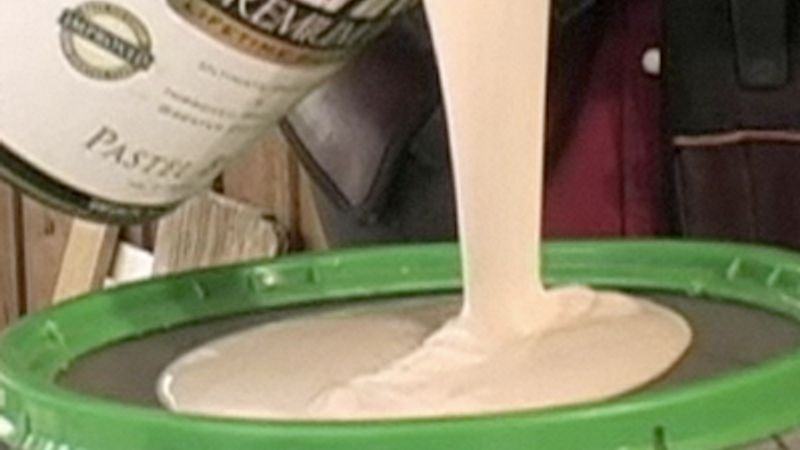
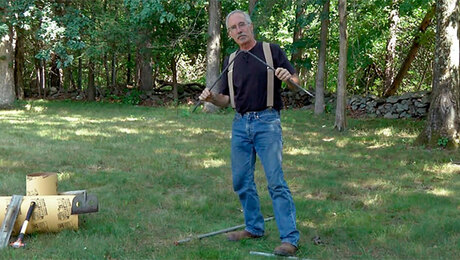
As a painting contractor, I use a lot of paint in 5-gal. buckets. Bits of joint compound and debris from the job site inevitably find their way into the paint, so I strain my paints each day before applying them. I could buy strainers, but I prefer to make my own. Using an old plastic paint bucket with a lid, I lay some window screen across the open bucket top and push it downward with my fist to form the strainer. Next, I cut a big hole in the lid, leaving just the lock ring. Then I snap on the lock ring, and cut the assembled strainer away from the bucket. Presto! I've got a strainer that perfectly fits 5-gal. buckets.

Tauntons for Pros By Pros: Building Tips and Techniques
Over 350 Site-Proven Tips $17.95 more info...


posted in: Blogs, remodeling, restorations, painting

Comments (2)

BernietheHun BernietheHun writes: I have seen cheese cloth, old t-shirts, but especially effective and inexpensive is the cheapest panty-hose you can buy. fitted over a 1 gallon, you can work solo, with a helper holding, one can strain larger volume. Sometimes we double the the panty hose, if the paint is very $$$ high gloss oil-based paint. The technique pictured will not hold enough paint(time consuming)and is not fine enough to trap many small particles. The pictured technique might work for some paint, but would be a waste of time for any paint with a higher sheen than eggshell. Some wheels don't need reinventing. Sometimes old school makes more sense.
Posted: 1:27 pm on February 21st

cutdude2 cutdude2 writes: Genius!
BUT WHY DON'T YOU BUY YOUR PAINT FROM THE PAINT STORE OR LUMBER/PAINT STORE INSTEAD OF FREAKIN' HOME DESPOT!
Posted: 6:53 am on February 21st

You must be logged in to post comments. Click here to login.