previous
  • How it Works
    How it Works
  • Painting Ideas, Tips, and Techniques for a Professional Finish
    Painting Ideas, Tips, and Techniques for a Professional Finish
  • 13 Door Design and Installation Tips
    13 Door Design and Installation Tips
  • 15 Coffered Ceiling Design Ideas and Tips
    15 Coffered Ceiling Design Ideas and Tips
  • Guide to Paperless Drywall
    Guide to Paperless Drywall
  • 2012 HOUSES Awards
    2012 HOUSES Awards
  • Roofing articles, videos, tools, and materials
    Roofing articles, videos, tools, and materials
  • Fine Homebuilding: The Digital Issues
    Fine Homebuilding: The Digital Issues
  • 7 Solutions for Kitchen Layout and Design
    7 Solutions for Kitchen Layout and Design
  • 10 Basement-Remodeling Tips and Techniques
    10 Basement-Remodeling Tips and Techniques
  • Outdoor Kitchen Design Inspiration
    Outdoor Kitchen Design Inspiration
  • Deck Design & Construction Showcase
    Deck Design & Construction Showcase
  • Buyer's Guide to Decking
    Buyer's Guide to Decking
  • Energy-Smart Details
    Energy-Smart Details
  • Meet the Fine Homebuilding Project House!
    Meet the Fine Homebuilding Project House!
  • 12 Remodeling Secrets Revealed
    12 Remodeling Secrets Revealed
  • Complete Kitchen and Bath Guide
    Complete Kitchen and Bath Guide
  • The Inspector Game: Decking Dos and Don'ts
    The Inspector Game: Decking Dos and Don'ts
  • 9 Design Ideas & Tips for Concrete Countertops
    9 Design Ideas & Tips for Concrete Countertops
  • 7 Small Bathroom Floorplan Layouts
    7 Small Bathroom Floorplan Layouts
next

The Daily Fix

The Daily Fix


Restorer to the rescue
comments (0) March 12th, 2010 in Blogs        
ChuckB Charles Bickford, senior editor
6 users recommend

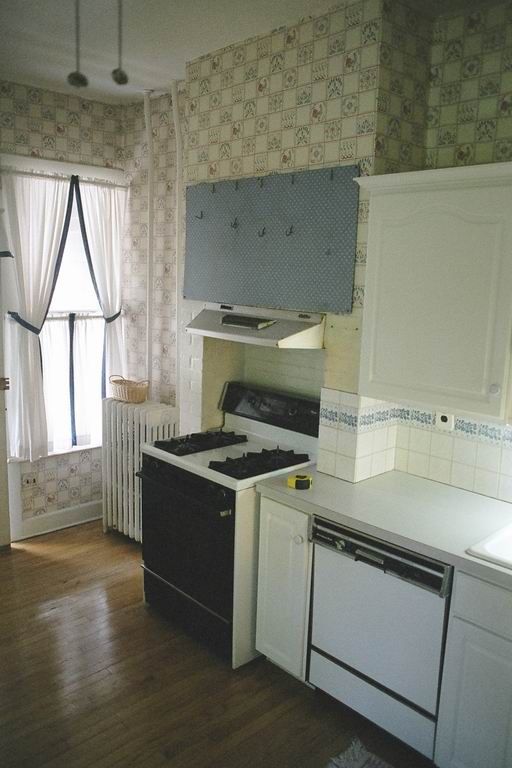
The kitchen, before the renovation.
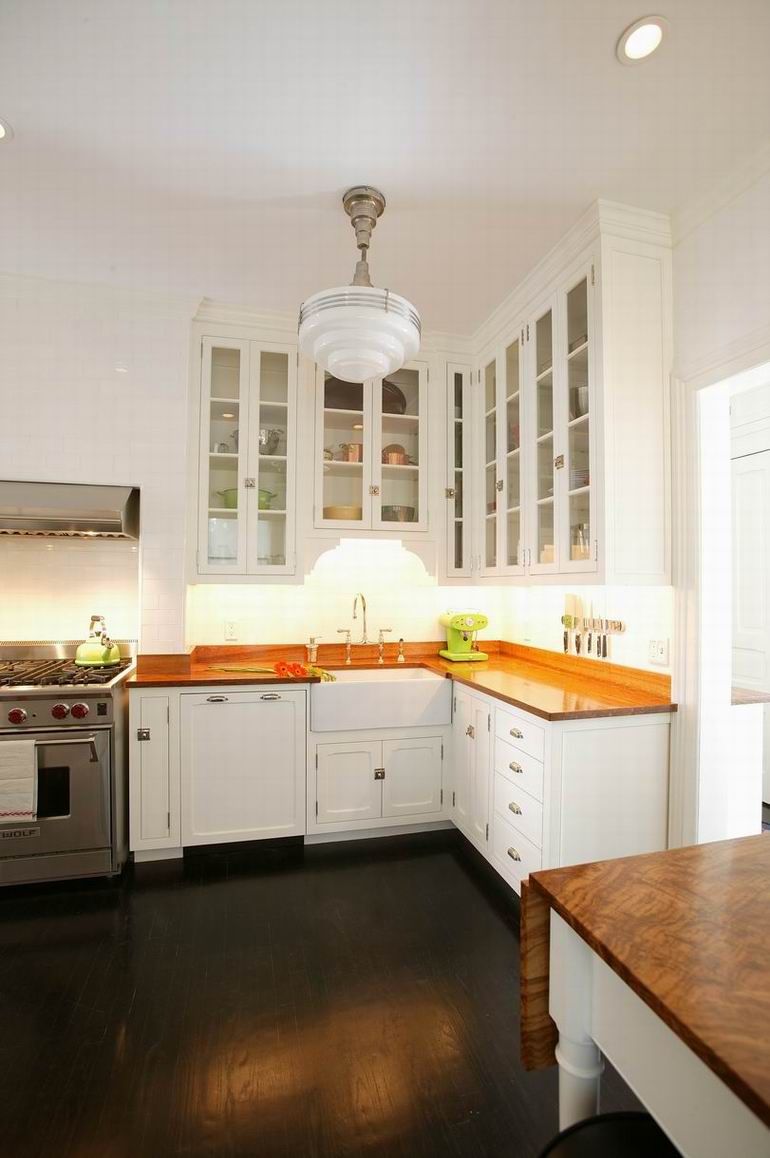
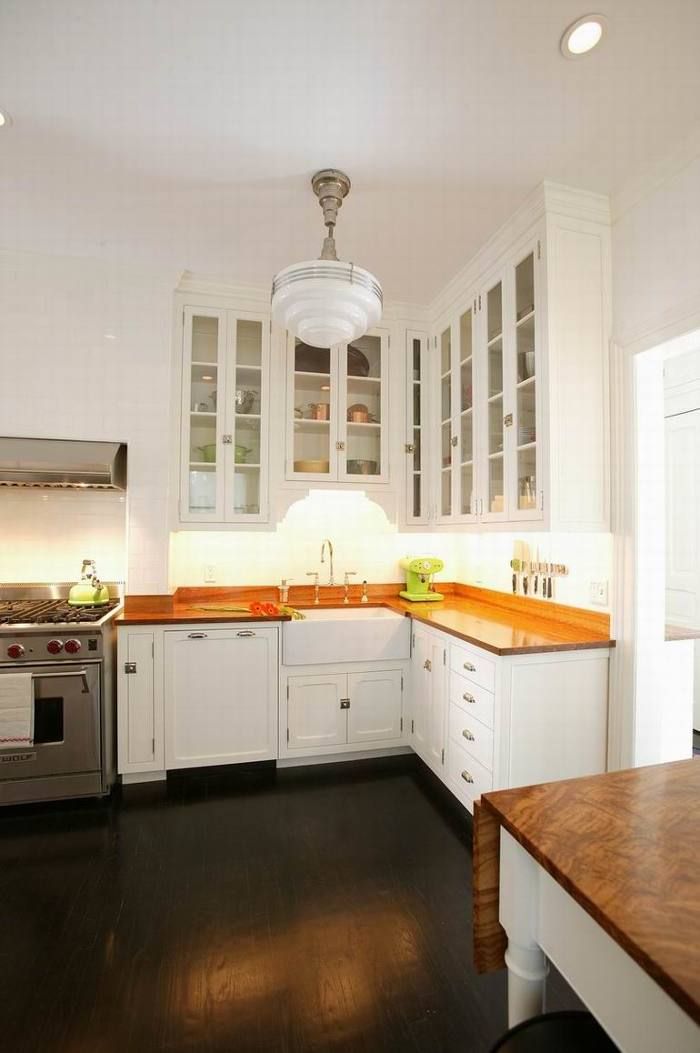
The same kitchen, afterwards.
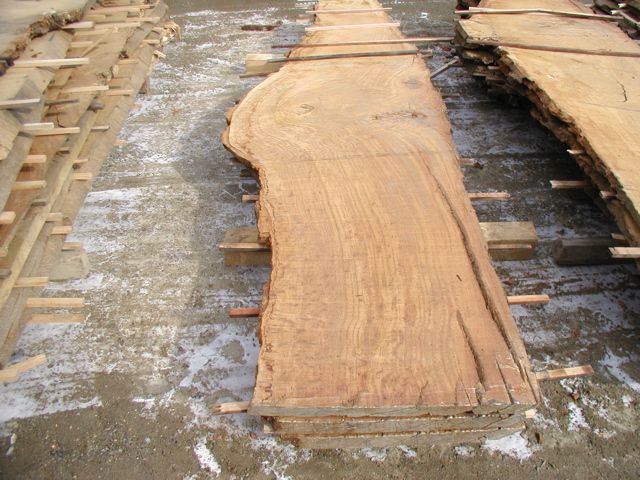
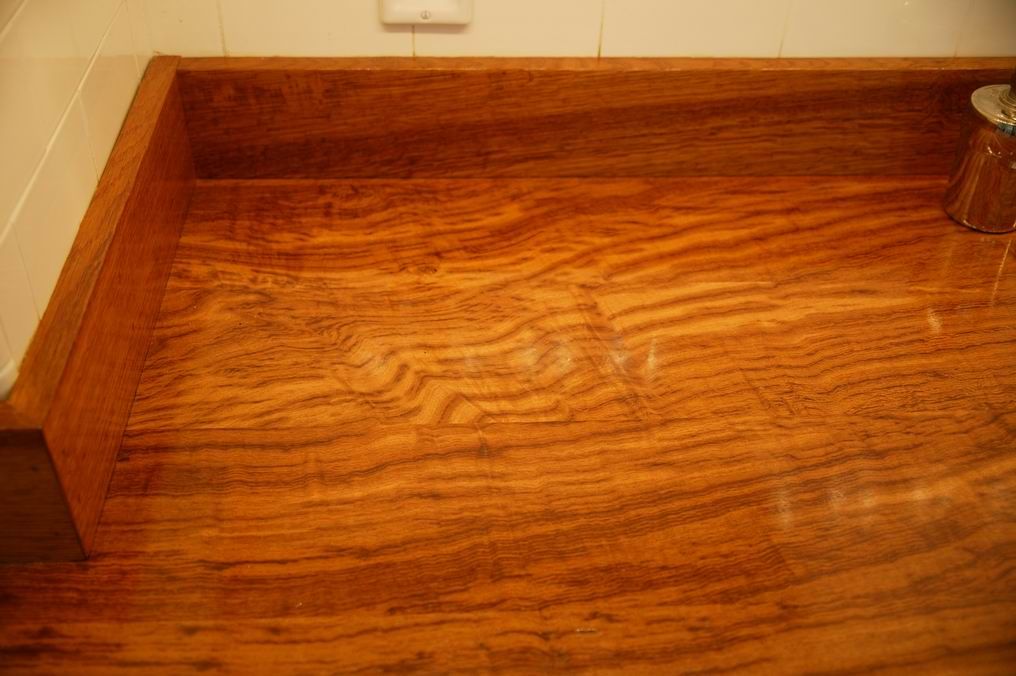
Flitches of the oak used to make the counters.
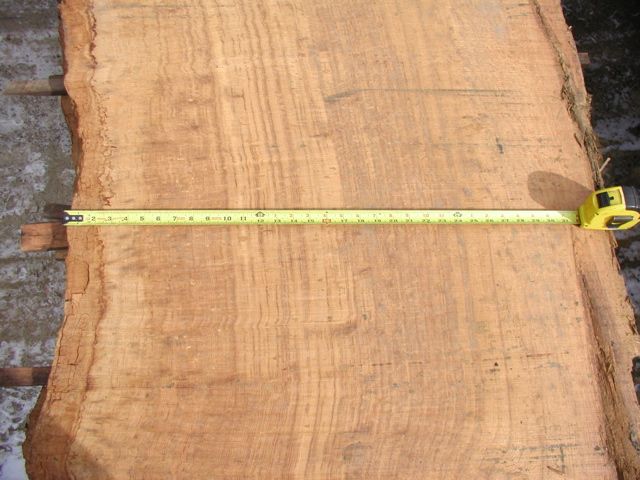
Some boards measured over 30 in.-wide.
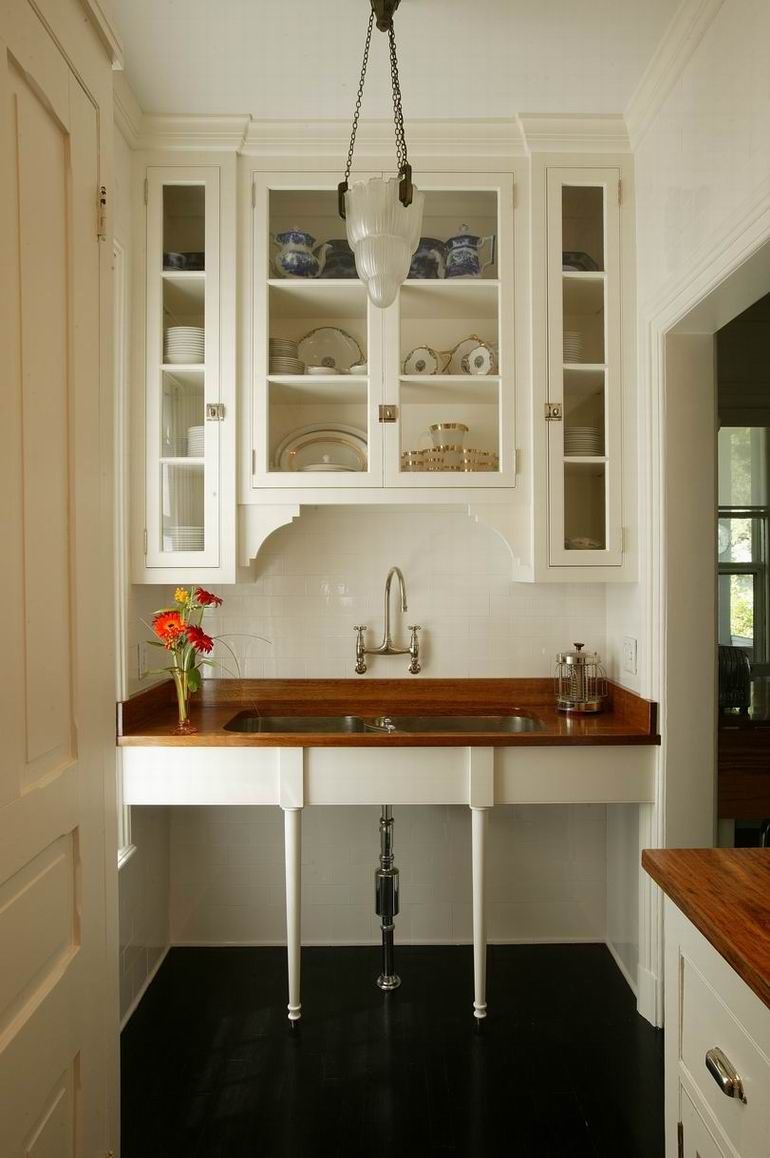
The butlers pantry.
The kitchen, before the renovation.Click To Enlarge

The kitchen, before the renovation.

Photo: Photo by Bill Crozier

Bringing an old house back to its original form can be a tricky business, especially without photographs or other documentation. Who’s to say how anything should look? The trick is to go with the clues, and if you can, make it better than it was before.
When cabinetmaker Bill Crozier laid eyes on this circa 1895 kitchen (1) in suburban New York, it hadn’t changed much in the last 75 years since it had been updated and the changes weren’t for the better. The new owner wanted it completely rebuilt in a higher style of the original period. Crozier took his cues from existing moldings and doors, and designed elegant cabinetry that would have looked new during the William McKinley administration. Crisp molding profiles, period hardware and the right proportions all contribute (2).
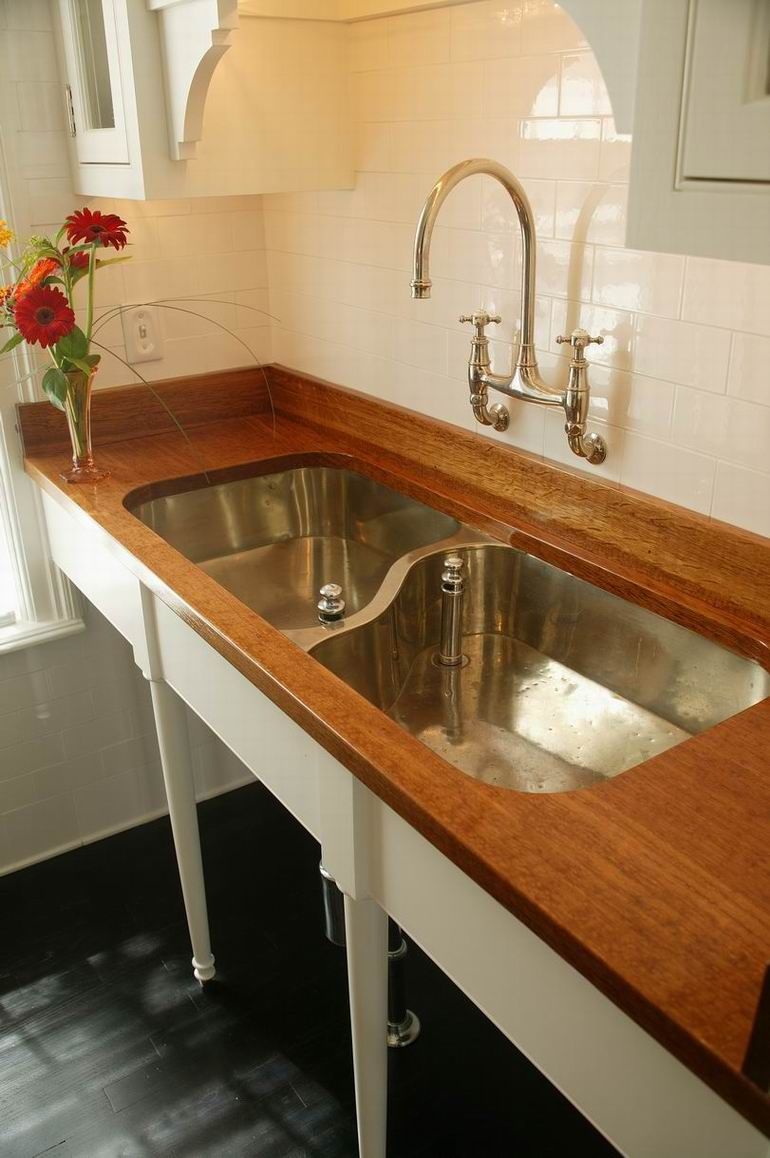
Two details stand out. Although somewhat anachronistic, they turn the elegance factor up a notch. The first is the English walnut counters. Selected from sequential flitches of a tree harvested in England (3, 4), the wood is richly exotic, a little wild, and pops nicely (5) against the calmer painted cabinets. The second is the butler’s pantry sink (6) . During a client meeting in his native Providence, Crozier came across a nickel-silver sink (7) made in the 1930’s. The homeowner wanted to throw it out, but Bill convinced her that it was worth saving and arranged for his New Yorker client to buy it. It wasn’t period-perfect, but it was certainly a good fit.

Photos by Charles Bickford


posted in: Blogs, remodeling, finish carpentry, kitchen, restorations, victorian

Comments (0)

You must be logged in to post comments. Click here to login.