How to Install Vertical Siding over Rigid-Foam Insulation?
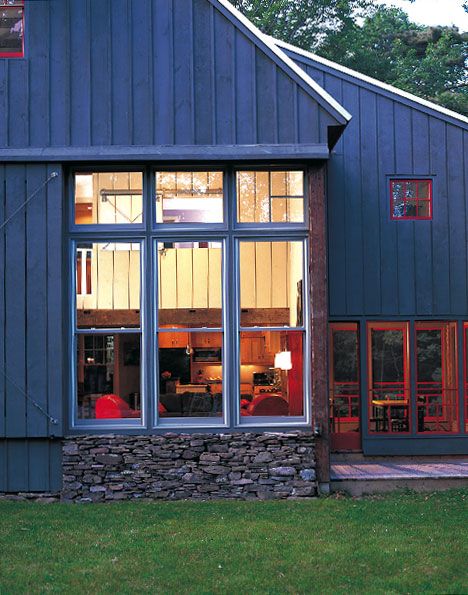
An architect in the Rocky Mountain west puzzles over details on a house that is to have an exterior layer of rigid-foam insulation and board-and-batten siding. The object is to build in energy efficiency, at a reasonable cost, and stop thermal bridging—as well as find the best means of attaching the siding to the house.
That’s the subject of this week’s Q&A Spotlight.
Installing the siding may be the easy part. Strapping screwed or nailed to the framing through the foam will keep everything in place, and provide a rain screen to help the siding stay dry.
But the use of exterior foam on the outside of the building raises other concerns, namely how to prevent the accumulation of water in the wall that would encourage mold and rot. As usual, there are plenty of opinions.
One of those opinions is from GBA Technical Director Peter Yost:
1. Outside the house is the best place for insulation — not between the studs.
2. For climates with fewer than 20 in. of rainfall, ventilated siding isn’t as important as in wetter climates. Although wind-driven rain and snow up the ante a bit.
3. Building code calls for at least 1 in. fastener penetration into studs (which gets complicated with a lot of exterior foam).
Read the full article and join the conversation at Green Building Advisor
Further Resources:
How to: Siding and exterior trim
Keep siding dry with a vented rainscreen 
Installing board-and-batten siding
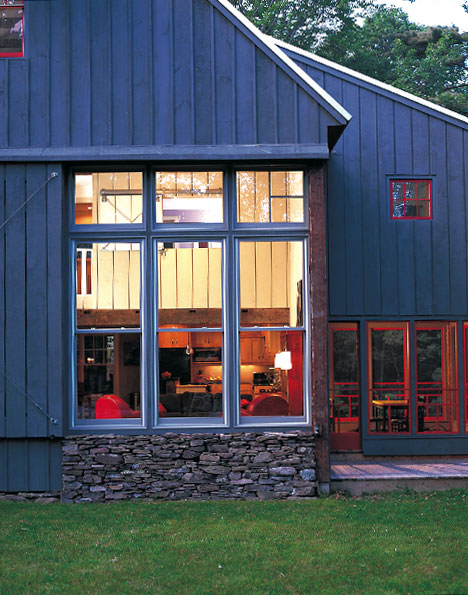
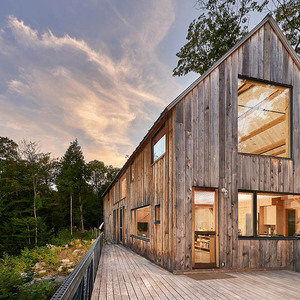
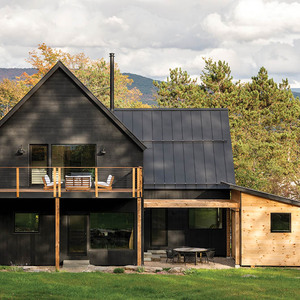
Two styles of board and batten: This house designed by Kaplan Thompson Architects combines conventional and reverse board-and-batten vertical siding. It's a classic style, but how do you attach the siding over rigid foam insulation?













View Comments
The link is broken. The correct link is: https://www.greenbuildingadvisor.com/article/how-to-combine-board-and-batten-siding-with-exterior-rigid-foam