Water Crisis: What is Virtual Water Content?
Last spring I spent a couple of months researching the current water crisis in this country. My findings are reported in an article entitled “Bringing the Water Shortage Home”, which appears in the September issue of the magazine. I’m happy with how the article came out. I only wish I had more pages to write about the subject.
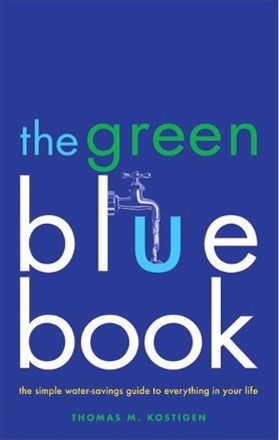
The topic of water is vast and deserving of deep investigation. Lots of my research was left on the cutting room floor as I edited the piece down to something resembling a magazine article. One topic that I didn’t get into in the article, but that I think is certainly interesting is what is known as “virtual water content”. Virtual water content describes the amount of water used to make or grow a product. By being aware of a product or material’s virtual water content you can refine your purchasing decisions to be sure you’re buying products and materials that are created using less water. An interesting resource is “The Green Blue Book”, written by Thomas M. Kostigen. (Published by Rodale).
Kostigen lists the virtual water content of a variety of items we consume or use in our daily lives and occasionally suggests alternative products. Below, I’ve pulled a few items out of his chapter on Building Materials and Appliances. The numbers are shocking.
Carpet: 14,750 Gallons for 1,000 sq.ft. of synthetic carpeting.
Alternative: Using carpet made from recycled plastic bottles can cut the virtual water content by 86%
Granite Countertops: 3,920 gallons for 60 sq. ft. of 1-in. thick granite slab or tile
Clothes Dryer: 16,909 gallons to manufacture a single dryer
Alternative: clothesline
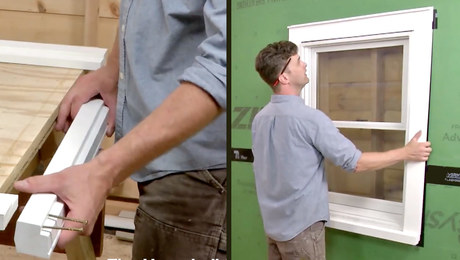
Windows: 11,700 gallons for vinyl frames
Alternative: Wood framed windows, which has a virtual water content of 691.4 gallons.
-
-
The information below is credited to Thomas M. Kostigen, the author of The Green Blue Book.











View Comments
Rob - Can you comment briefly on how the water ties into products such as granite and carpeting? I'm missing the direct connection between H20 and building materials. Is this just water used in the manufacture/refinement of products?
"Virtual water content describes the amount of water used to make or grow a product."
Example for granite: Granite quarrying consumes 310 gallons of water per ton, while processing it uses 9,500 gallons.