previous
  • 2012 HOUSES Awards
    2012 HOUSES Awards
  • Outdoor Kitchen Design Inspiration
    Outdoor Kitchen Design Inspiration
  • 13 Door Design and Installation Tips
    13 Door Design and Installation Tips
  • The Inspector Game: Decking Dos and Don'ts
    The Inspector Game: Decking Dos and Don'ts
  • 15 Coffered Ceiling Design Ideas and Tips
    15 Coffered Ceiling Design Ideas and Tips
  • Guide to Paperless Drywall
    Guide to Paperless Drywall
  • 10 Basement-Remodeling Tips and Techniques
    10 Basement-Remodeling Tips and Techniques
  • Painting Ideas, Tips, and Techniques for a Professional Finish
    Painting Ideas, Tips, and Techniques for a Professional Finish
  • Meet the Fine Homebuilding Project House!
    Meet the Fine Homebuilding Project House!
  • 9 Design Ideas & Tips for Concrete Countertops
    9 Design Ideas & Tips for Concrete Countertops
  • Deck Design & Construction Showcase
    Deck Design & Construction Showcase
  • Energy-Smart Details
    Energy-Smart Details
  • Roofing articles, videos, tools, and materials
    Roofing articles, videos, tools, and materials
  • 12 Remodeling Secrets Revealed
    12 Remodeling Secrets Revealed
  • 7 Small Bathroom Floorplan Layouts
    7 Small Bathroom Floorplan Layouts
  • Fine Homebuilding: The Digital Issues
    Fine Homebuilding: The Digital Issues
  • How it Works
    How it Works
  • Buyer's Guide to Decking
    Buyer's Guide to Decking
  • Complete Kitchen and Bath Guide
    Complete Kitchen and Bath Guide
  • 7 Solutions for Kitchen Layout and Design
    7 Solutions for Kitchen Layout and Design
next

Editor's Notepad

Editor's Notepad


What's the Best Way to Control Indoor-Air Quality and Humidity in a House?

comments (1) September 23rd, 2010 in Blogs        
7 users recommend


Choosing the right whole-house ventilator

The tighter the house, the greater the need for whole-house ventilation. Few energy efficient builders would bother arguing the point.

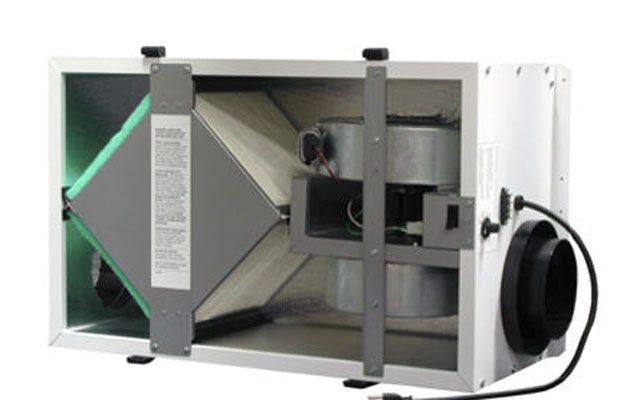
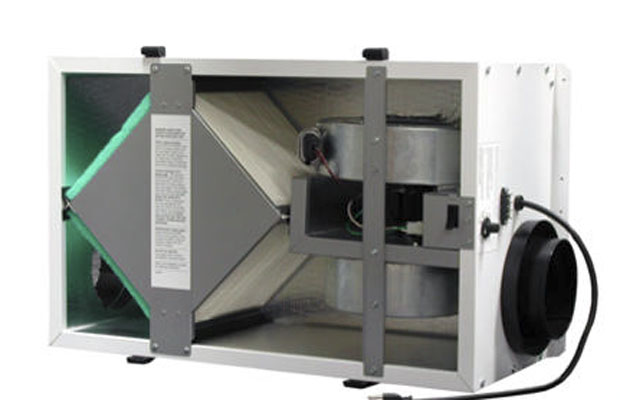
Among the best options are heat-recovery and energy-recovery ventilators, similar but not identical devices that are both designed to reduce the energy penalty of bringing fresh air inside. ERVs are typically recommended for hot and humid climates where air conditioning is a must, but is that always the case?

That question is the focus of this week’s Q&A Spotlight. Donald Lintner is building a super-insulated house in upper Michigan. He won’t be installing central air conditioning, but he does want whole-house ventilation and hears conflicting advice on whether an HRV or an ERV is the best choice.

Either will work, GBA senior editor Martin Holladay tells him, but ERVs are essentially useless when it comes to lowering indoor humidity. Not so, a poster replies. You’ve got it all wrong.

Read the full article and join the conversation at Green Building Advisor


Further Resources

High performance HVAC systems

Will a rooftop fan cure a stuffy upstairs?


Insulate and Weatherize
Expert Advice from Start to Finish $19.95 more info...


posted in: Blogs, energy efficiency, green building, hvac

Comments (1)

RoMarSer RoMarSer writes: On a recommendation of a friend I bought a Ridgid portable saw stand, we both love the ease with it collapses and its vertical storage. It has big wheels to get through job sites and grass easily The slide out supports have legs so they can hold a 2x6 with out flexing, but the screw handles are made of cheep pot metal that break and the last time ether of us ordered them we were told that we would have to buy them (not cool).
Posted: 6:25 pm on October 12th

You must be logged in to post comments. Click here to login.