Building Decks: Material Choices and Framing Details
Get your deck off to a good start
Download these two free chapters from the For Pros, By Pros book Building Decks, and get started on your next outdoor project. The first chapter shows how to get a solid, durable connection between your home and your new deck. The second chapter helps you to choose the decking that’s right for you.

Like what you see? Buy the entire Building Decks book from the Fine Homebuilding Store.
-
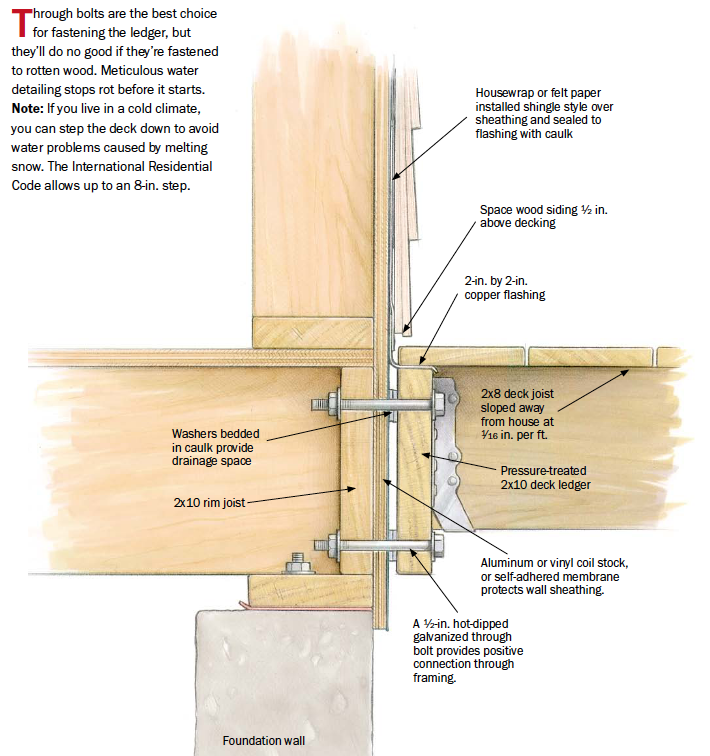
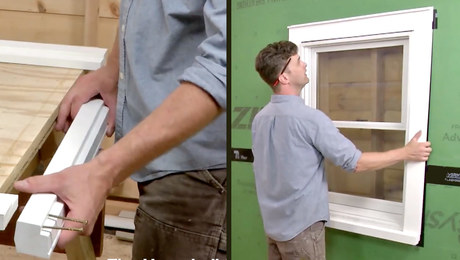
See the best way to get a solid, rot-resistant connection between your house and your new deck.
-
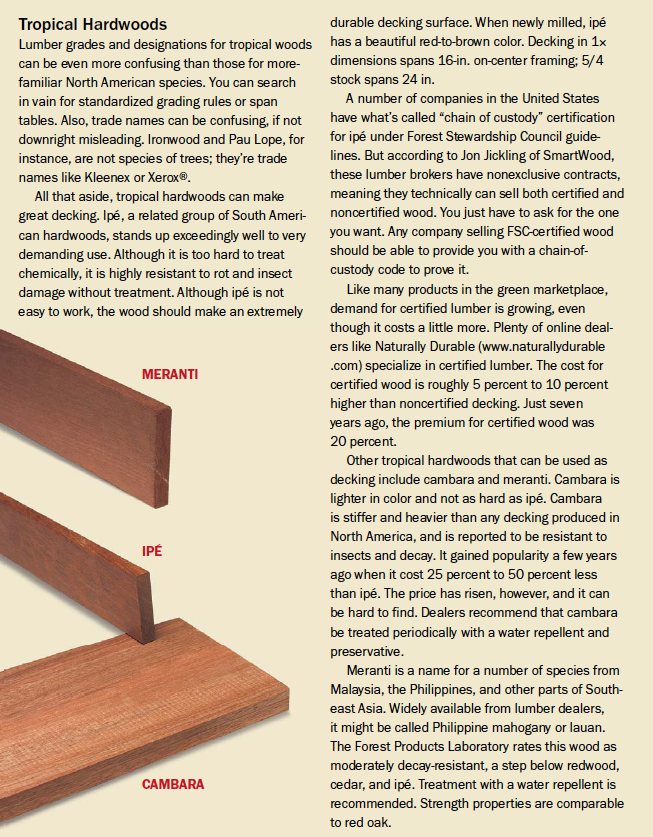
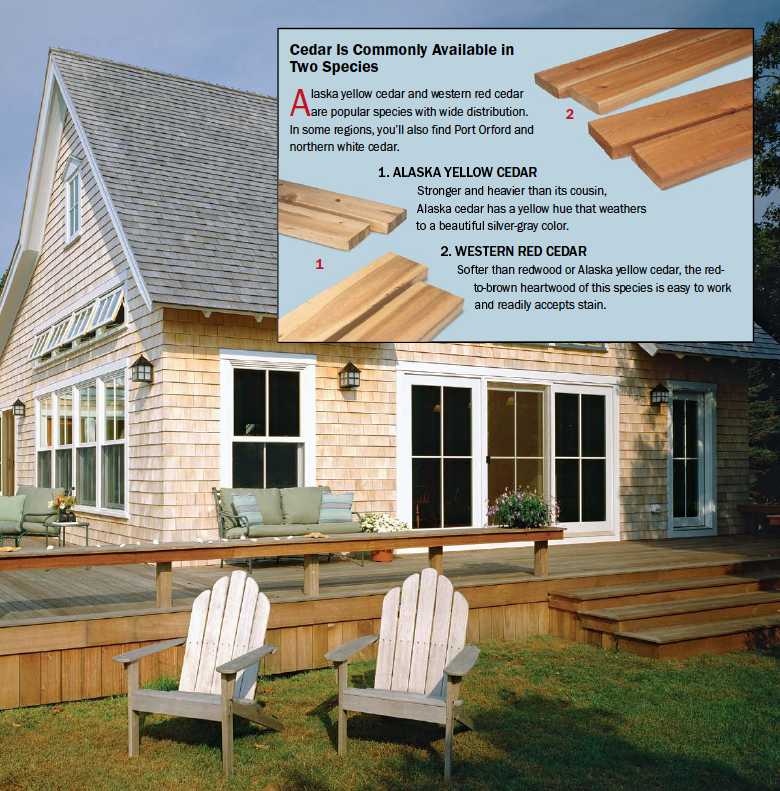
Get the info you need to choose the right decking materials
-
-
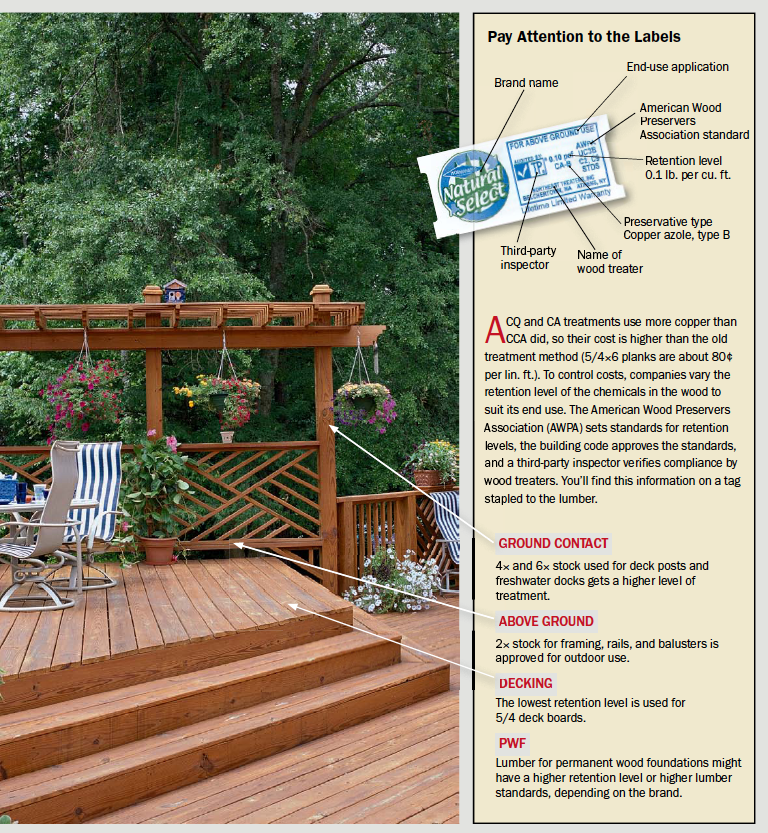
Learn how to find treated lumber that will stand the test of time













View Comments
Sorry, totally disagree with the use of washers in between ledger and rim joist of house. While I understand the need for drainage, the flashing above should do the job...if not, an impervious membrane should work (against house). Washers limit tightening and they introduce, albeit limited, 'moment arm' forces to the bolt. Also, corrosion will set in faster to the bolt (air and water). jmho.
Indicating a 2x8 deck joist should be qualified...the size of the joist must be determined by span and loading/s.f.
Counting on a rim joist to carry the deck load is not a good idea..Unless the deck is self supporting, anchorage to a rim joist should only be for lateral stability...not for vertical loads.... There have been a lot of failed decks where a rim joist has had to carry more than it is able. Also , lag screws are not a good idea...through bolts are superior... As for connectors and fasteners, it is true that MicroPro (MCA)
is less corrosive than older copper bearing preservatives, but building codes require that within 300' of salt water stainless steel must be used....
Perhaps further in the book these and other points are discussed, but just reading the introduction can be misleading.
In my own projects with concrete foundations I prefer to drop the surface of the deck about 13" below the interior floor level.. with 2 steps @ 6 1/2"... Bolt the 'ledger' to the concrete...no leaking, no flashing and the visual benefit is a deck rail 13" lower than ordinary so that sight lines while seated inside are down and over the rail...(in case views are important). If foundations are not poured concrete run a separate line of columns to carry a beam to carry the deck joists...In this case the deck height can be at any level...Remember to brace diagonally between columns and provide lateral resistance by bracing against the foundation....A deck may seem like a nice weekend project, but it must be structurally sound... A little professional help is a good idea.