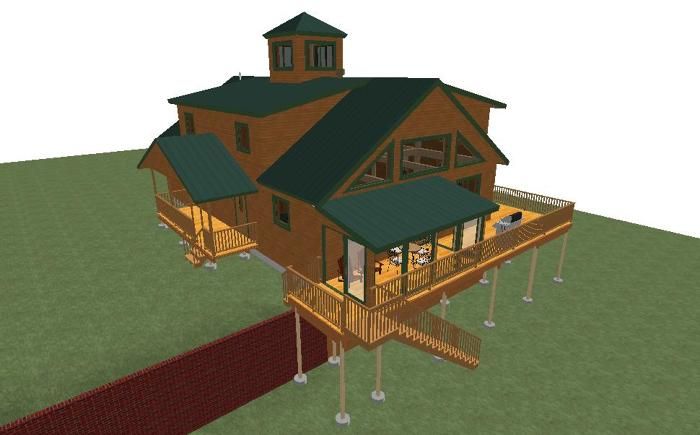
That’s the problem facing Jay Hersh, who is about to build a house in northern Vermont that includes a SIP roof. In a Q&A post at GreenBuildingAdvisor, Hersh asks for advice on how to prevent moisture-laden air from migrating into the roof through seams between panels. And, he adds, what’s the best way of preventing leaks from above?
More from greenbuildingadvisor.com
Green Basics: Structural Insulated Panels
Forget About Vapor Diffusion, Stop Air Leaks!
Podcast: Air Barrier vs. Vapor Barriers
The discussion is the subject of this Q&A Spotlight.
What concerns Hersh is that moisture finding its way into roof via seams between panels will condense on the outer layer of oriented strand board and lead to decay. His situation is complicated by a tongue-and-groove ceiling that will make it more difficult to foam and tape the seams from below.
Suggestions include specific membranes that will form an effective air barrier and special tape that can be used to seal seams. Oh, and one more suggestion: give up the idea of SIPs altogether and look for something less expensive and with better green credentials.
Read the whole article at Green Building Advisor.
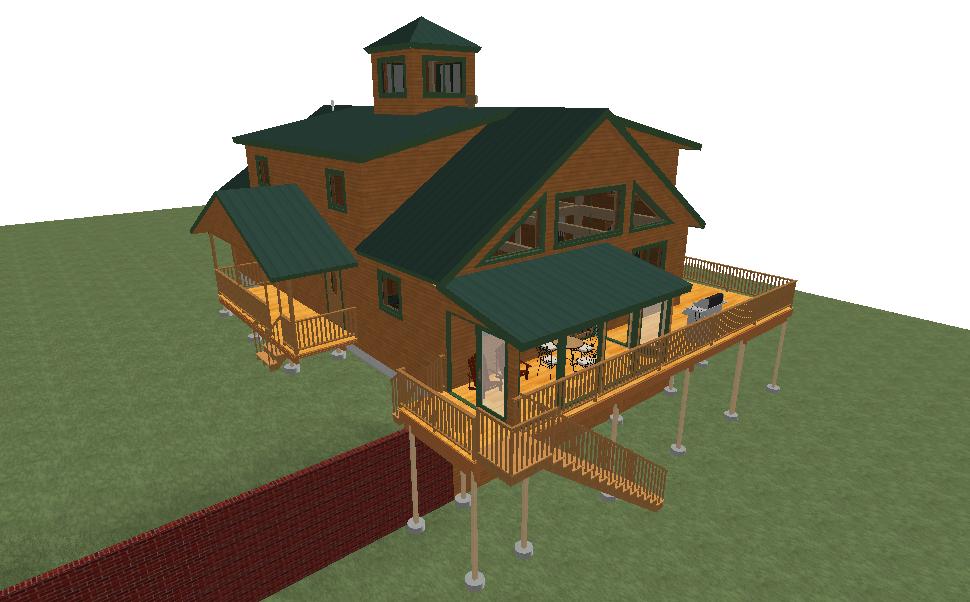
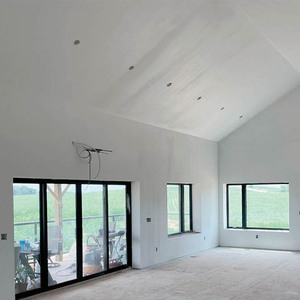
Dealing with a SIP roof: A building project in northern Vermont will include a structural insulated panel (SIP) roof, but sealing potential air leaks may be difficult.


















View Comments
Link at the end of this SIP roof intro story does not lead to the rest of the story on the GBA site - it just goes to the GBA home page. I searched for the story but could not find it.
Mica239,
Sorry about the confusion. I edited the link to go to the appropriate page.