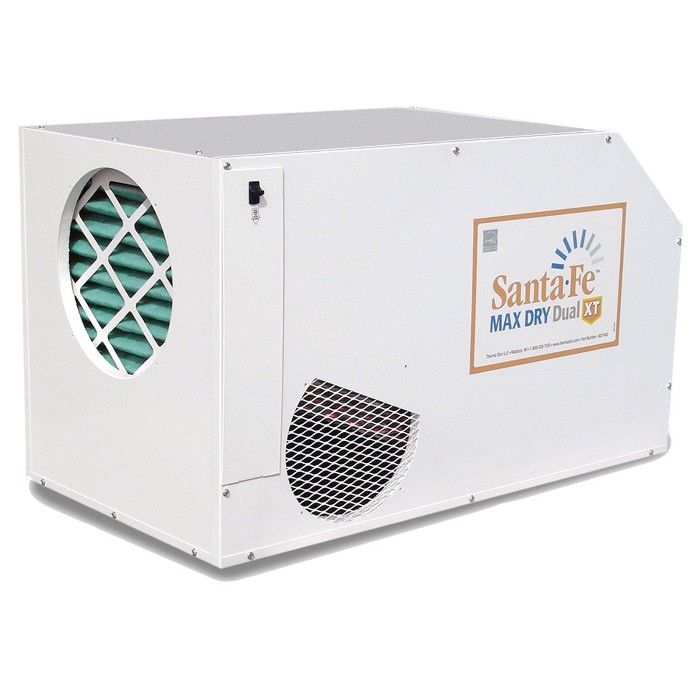
Harry Seidel is building a superinsulated house in New Hampshire, a smart move given the region’s tough winters. The roof, the walls, and even the basement slab all will be well insulated.
RELATED ARTICLES
Q&A: Where is the humidity going?
Humidity, mold, and indoor air quality
Vapor barriers are a good thing, right?
His strategy will pay off handsomely in keeping winter heating bills down, but it also has Seidel wondering about the potential for trouble during the summer. He plans to put a dehumidifier in a basement utility room, which will help keep inside moisture levels at a comfortable level. But these appliances also generate a fair amount of heat at the same time they’re extracting moisture from the air.
In a superinsulated house, heat is slow to dissipate. Would it be smart, Seidel wonders in a post in the Q&A forum at GreenBuildingAdvisor, to eliminate insulation under the slab in the utility room to create a heat sink for the dehumidifier? Or is the heat loss during the winter a more serious problem?
That’s the subject of this week’s Q&A Spotlight.
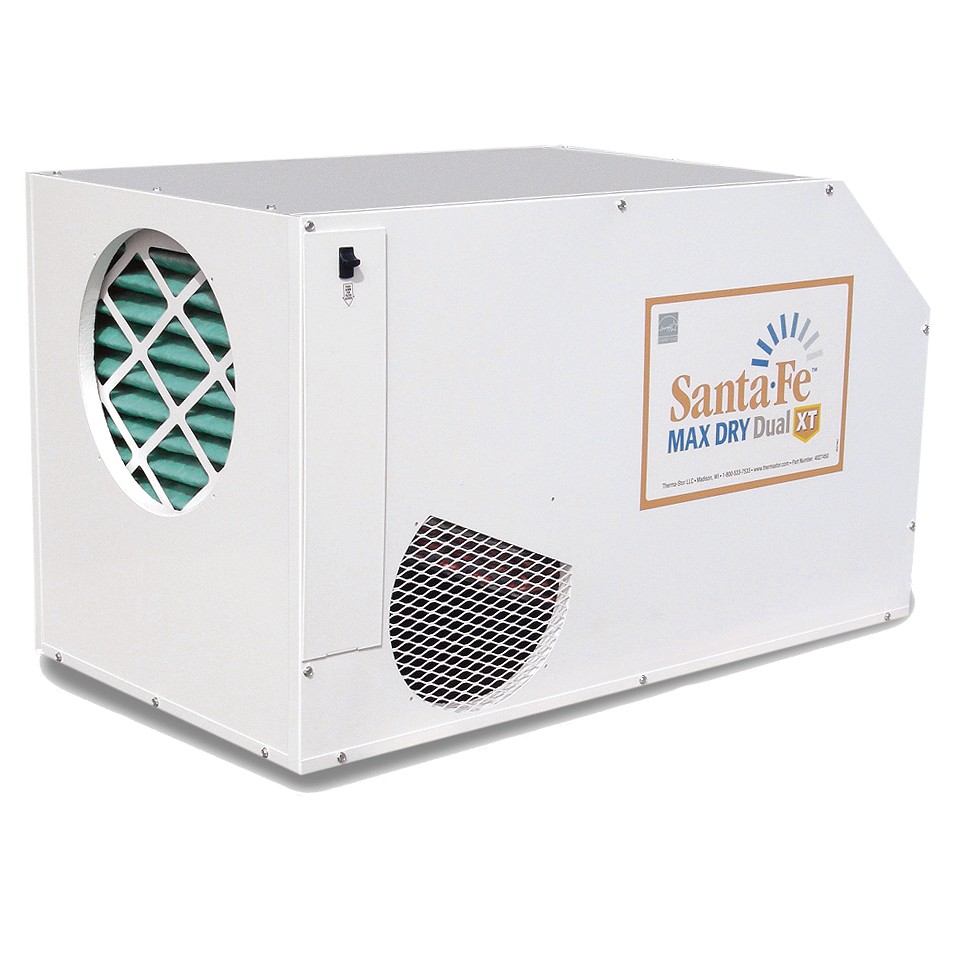
Will a dehumidifier add too much heat to a well-insulated house in the summertime?
















View Comments
Let me get this straight. He might be up for removing the insulation UNDER the slab to create a heat sink to dissipate the heat from the humidifier? Am I missing something here??
The expense of removing the slab, then the insulation and then replacing the slab is less than stopping the moisture from entering the basement in the first place? I doubt it. And the embedded energy expended to do this won't be trivial either.
Seems like the owner is not facing the REAL problem: The moisture. Tell us more about that issue. Where's it coming from?
A lightweight dehumidifier can be found by installing a hybrid domestic hot water heater (it actually heats cold water not hot, but ignoring that ...) Mine doesn't remove lots of water from the air but it will do some.
The homeowner shouldn't lose sight of his original idea: To save energy. Running a dehumidifier uses lots of energy if it runs much.
Methinks this whole idea needs rethinking from square one.
If New Hampshire summers are anything like Wisconsin summers, there can be periods of hot and very humid weather, and it's not really possible to seal that humidity out. It enters through windows and doors every time they are opened and, even in a very tight house, the ERV or HRV will bring in some of the humidity.
The humidity becomes a problem when it rises enough that cool interior surfaces, like poorly insulated foundation walls and floors slabs in a basement, are cooler than the dew point of the humid air. At that point the humidity begins to condense on the cooler surfaces, creating damp, musty conditions and a potential for mold and mildew.
Excluding insulation below the floor slab will only make the problem worse. Better to put more insulation under the floor slab so that it's surface temperature will be warmer and less prone to condensation.
The heat created by a small portable dehumidifier in a cool basement space isn't usually a big problem. A ducted dehumidification unit as part of the homes heating/ventilation system might another story and may not be a good solution, depending on your climate. The other big problem with running a dehumidifier is that even the highest efficient units use a fair amount of electricity. I don't know of a good solution to that problem. I'm hoping someone else will have a better suggestion.
I have a similar dilemma. I'm having a house built in SE Massachuseets. The GC wants to install a whole house dehumidifier in the lower (walk-out) level. I'm thinking that expanding the mini-split system to that level will be more efficient (and more functional). Fujitsu has a Dry Mode that supposedly removes humidity.
Any thoughts?
A dehumidifier is essentially an air conditioner that leaves all the heat in the house. If you must have electric powered dehumidification then use the mini split AC system.You will at least get the benefit of the cooling along with the lower humidity.
The post states the dehumidifier will be located in the basement. This may point to a problem controlling moisture coming into the basement from below grade.