Erik Olofsson actually has two problems to solve. One is choosing an R-40 wall system for his new house in the mountains of British Columbia that can be built at a reasonable cost. The second is a local building code that seems to require a polyethylene vapor retarder on the warm side of the insulation, a practice abandoned by many builders.
More from greenbuildingadvisor.com
Vapor Retarders and Vapor Barriers
Forget Vapor Diffusion – Stop the Air Leaks!
Podcast: Air Barrier or Vapor Barrier?
Six Proven Ways to Build Energy-Smart Walls
Writing in a post at the Green Building Advisor’s Q&A forum, Olofsson says, “seeing that the received opinion around GBA is the tandem of polyethylene sheeting and exterior rigid foal is not ideal, what do the builders on the site recommend? Larsen trusses seem fairly labor-intensive and rigid foam is expensive…Is a double-stud wall the answer?”
A double-stud wall, which limits thermal bridging through exterior framing, does find some proponents. But it’s one of several options. Others include a 2×6 wall assembly insulated on the outside with up to 6 in. of high-density mineral wool.
More problematic is the requirement for the polyethylene sheeting. Although there appears to be room in the code for an alternative, such as an “airtight drywall air barrier,” the way the codes are written makes GBA senior editor Martin Holladay wonder whether Canadian building officials understand the difference between an air barrier and a vapor barrier.
Read the whole story in this month’s Q&A Spotlight.
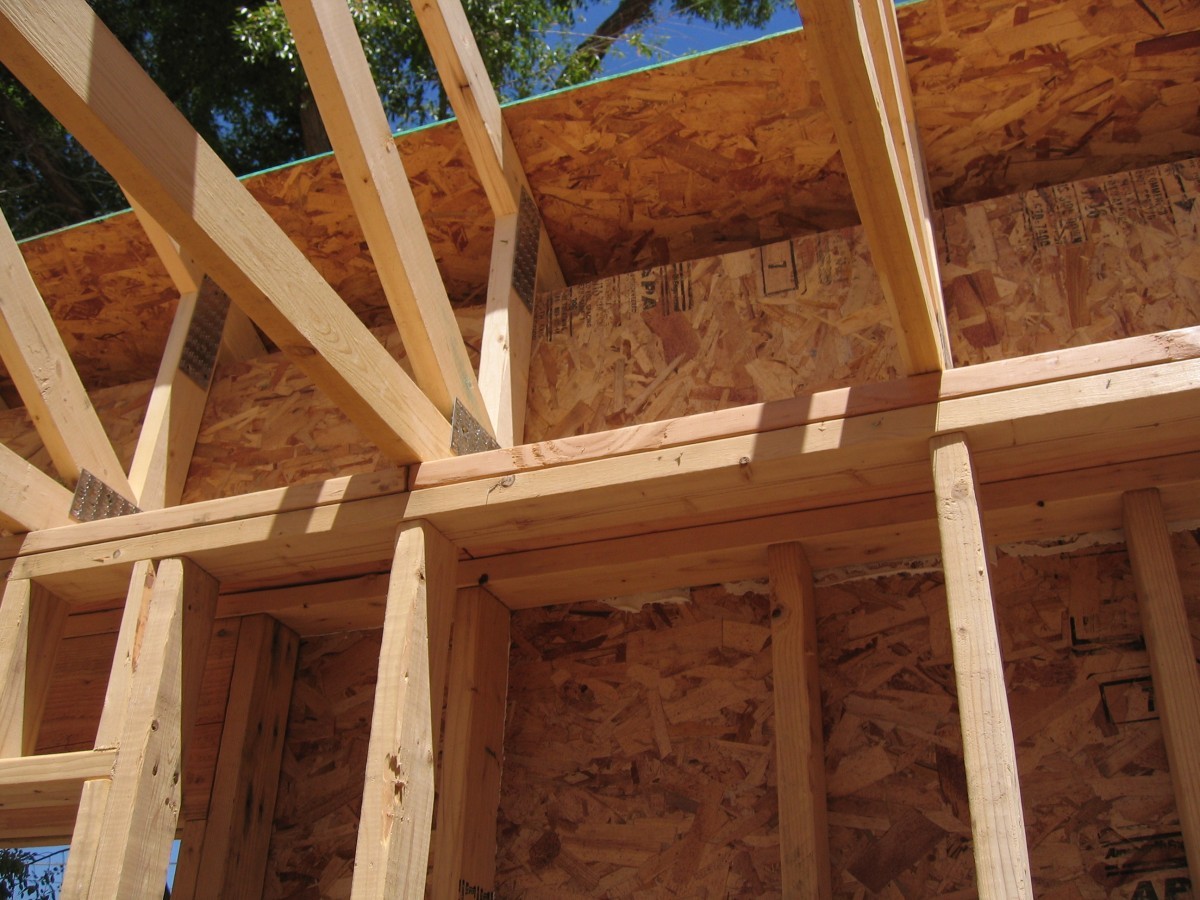
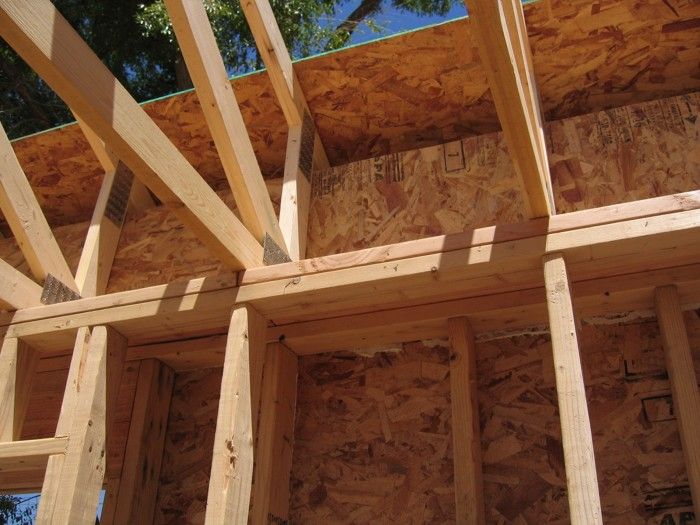
Double-Stud Wall A Habitat for Humanity house in Wheat Ridge, Colorado, used double-stud walls and raised-heel roof trusses to reduce heat loss through the thermal envelope. Although the strategy works, a potential complication involves local code requirements for air and vapor barriers.











View Comments
Great Article. Thank you for posting this. You might be interested in checking out fine luxury homes by Brejnik Fine Homes(www.brejnik.ca). They build fine luxury houses. Brejnik team consists of qualified and trusted: Architects, Interior Designers, Appraisers / Lenders, Trades & Suppliers, Geo-technical engineers, Structural Engineers, Arborists, Landscape Architects, Pool & Water Feature.