Refurbishing Old Double-Hung Windows – Part Two
Windows built 50 to 100 years ago were made from tight-grained, rot-resistant wood that is no longer available, so it makes sense to refurbish them rather than replace them when they don’t work so well.
Refurbishing Double-Hungs – Part One discussed sizing sash weights, replacing sash cords, and lubricating pulleys. In Part Two we will see what to do if sashes are swollen or out of square, lack weatherstripping or have built-up paint that could could cause them to stick or bind.
The photo sequence above is pretty self-explanatory, but here are a few more things to keep in mind:
Dress for the job
Sturdy gloves with rubberized palms are essential to avoid cuts and to provide a secure grip on heavy window sashes. Safety glasses with wraparound lenses will protect your eyes from glass shards, irritating dust and dangerous projectiles should a power tool strike a hidden nail or screw. As older windows often contain lead-based paint, a HEPA-rated respirator and a HEPA vacuum to capture dust are must-haves.
Minimize the mess
Especially if there are people in residence, move cutting and sanding operations outside whenever possible, lay tarps to protect finish floors and vacuum periodically to minimize dust indoors.
Jambs need love, too
Pull any old nails or screws sticking out, sand jambs smooth, prime all bare wood and then, when the paint’s dry, rub paraffin–a candle stub will do–along the jambs to allow windows to move easily. If the sill, jambs or sashes have localized rot, allow it to dry well, cut out punky spots and use a two-part epoxy compound to repair the damaged pieces.
Slick does the trick
Ace restoration carpenter and good friend Mike Davis in New Orleans recommends coating jamb channels with Dupont’s Corlar and Imron products for a slick surface, though they are available only through industrial suppliers. A high-gloss marine enamel works almost as well. Davis also recommends Resource Conservation Technology (RCT), www.conservationtechnology.com if you’re looking for a wide choice of airtight seals for old windows.
A square deal for sashes
For operable sashes (as opposed to fixed ones), there should be a 3/16 in. space between the sash and jamb on each side–3/8 in. total–so there’s room for weatherstripping as well as movement. Frame jambs must also be parallel, as should sash stiles, if they are to slide without binding–or as close to parallel as you can reasonably get in an old house.
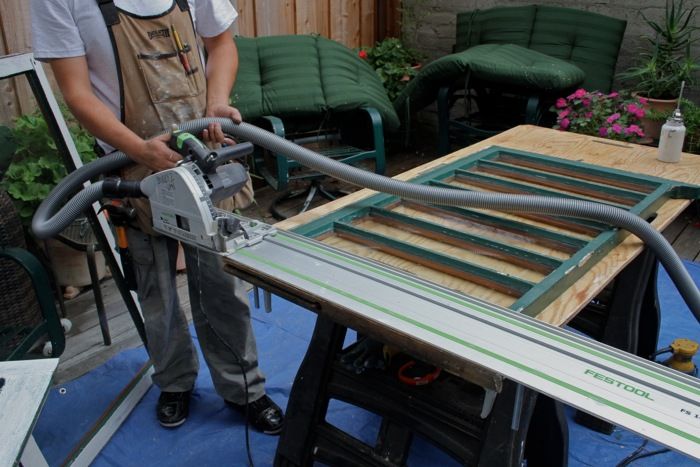
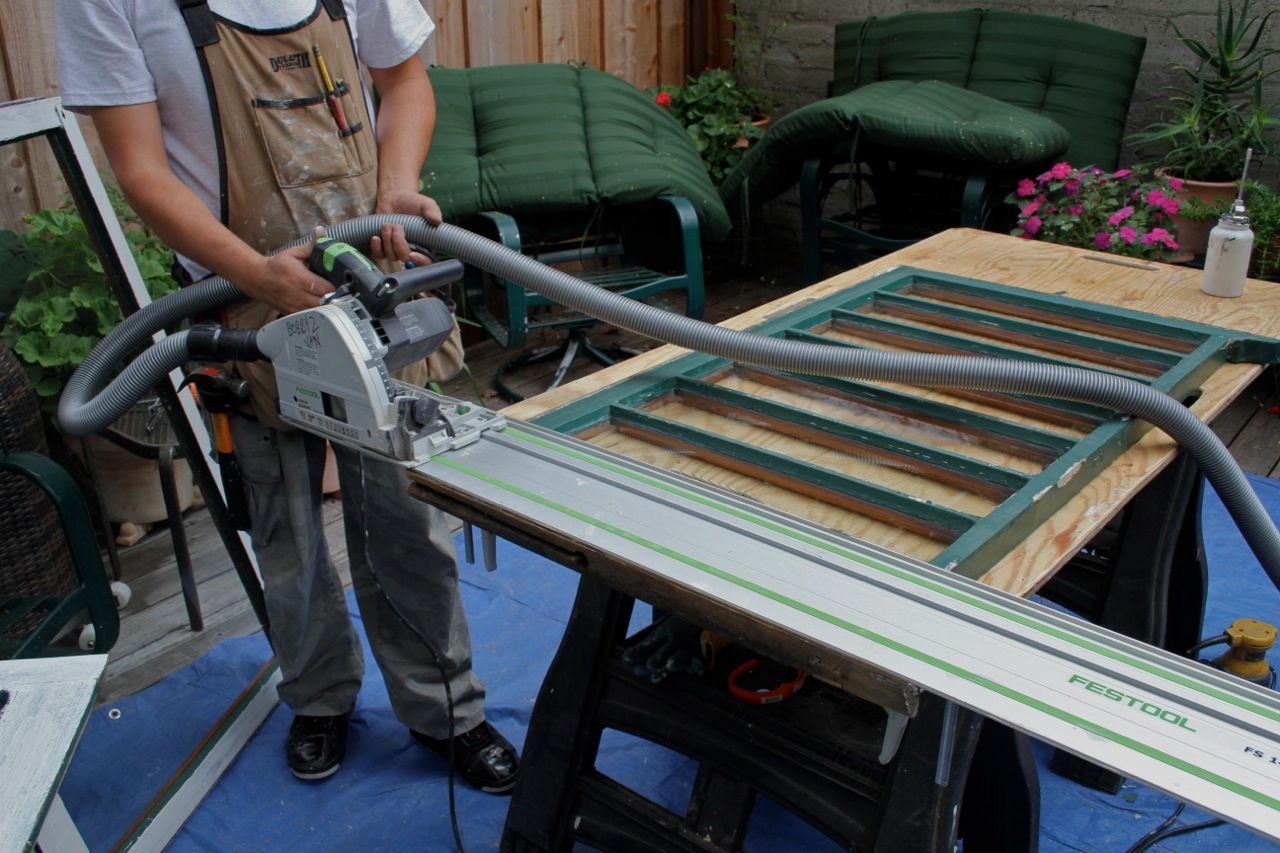
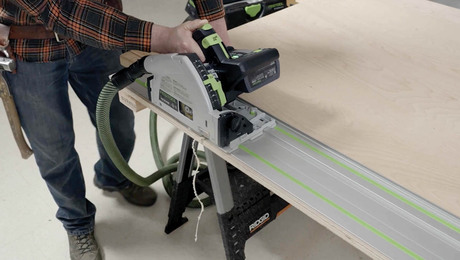
If frame jambs bow into the opening, they can be belt-sanded or planed–carefully check for nails first–or pulled away from the opening with countersunk wood screws. If sashes are swollen or out of square, the Festool system is the tool of choice, as shown in the first photo. Because the Festool circular saw runs in a guide rail that is clamped to the sash, it can establish perfectly straight sides, even if the sash is a little wavy.
Weatherstripping options
Mike Davis recommends RCT’s WS84 leaf seals for the outer edges of sash stiles, RCT’s WS87 leaf seal where upper and lower sashes meet, and RCT’s WC10 tube seal where the sash meets the seal. Wooden WIndow’s crew favored a barbed neoprene-and-nylon stripping, friction-fit into a slot routered into the sash stile.
Thanks to Wooden Window, Inc. of Oakland, CA, for allowing me to photograph its crews on the job. This posting is excerpted from Renovation 4th Edition, just published by Taunton Press. R4’s 614 pages include thousands of field-tested tips and techniques, 250+ technical illustrations, roughly 1,000 photos selected from the 40,000 I have taken over the years, and lifetimes of experience that builders have shared with me. I hope you find Renovation 4th Edition useful on your next project. — Mike
© Michael Litchfield 2012
-
1. If sashes are swollen or out of square, they can be trimmed accurately by using a Festool system, which features a guide rail that clamps to the sash and a circular saw whose base is keyed to rail channels.
-
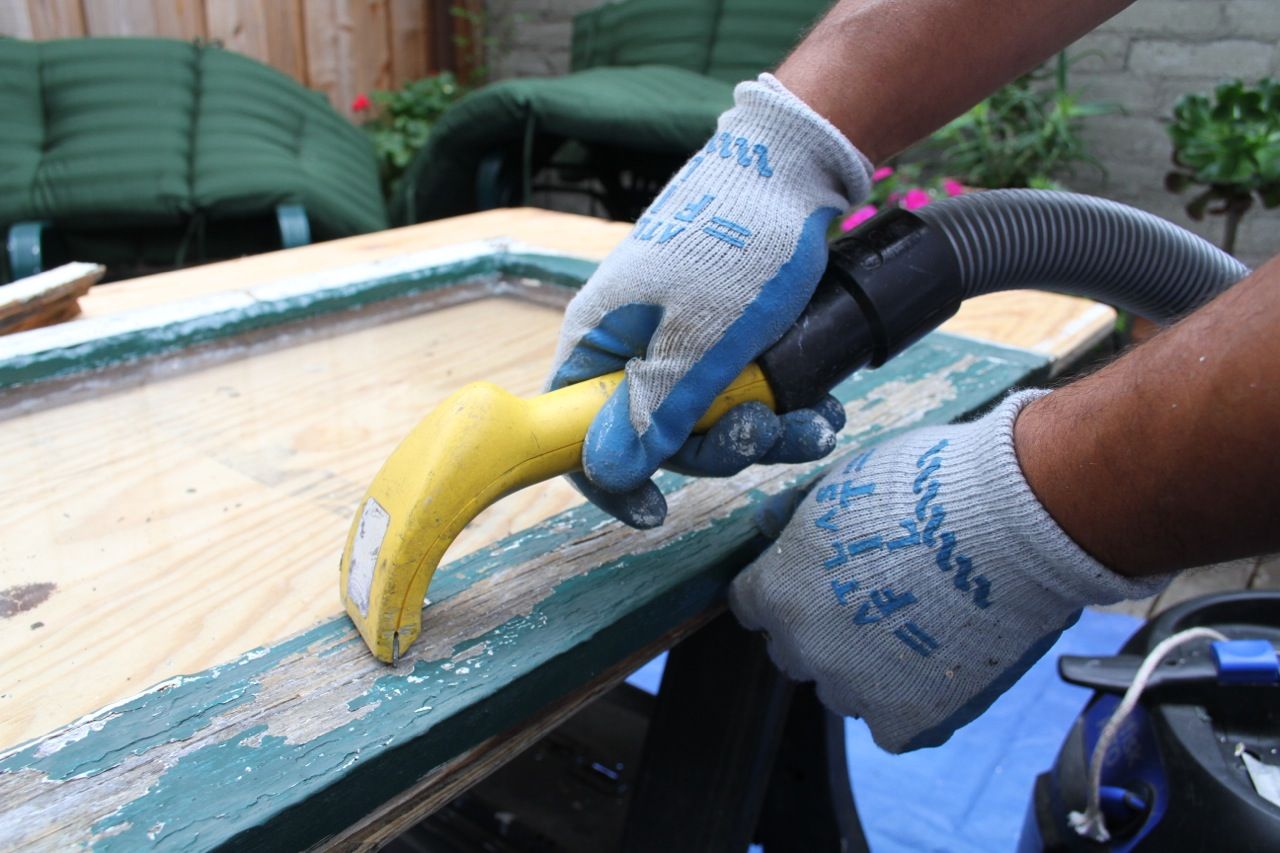
2. Remove loose or built-up finishes from the sash before priming and painting it. If there's cracked glass or tired glazing compound, attend to it now. This scraper's debris never becomes airborne because the tool is attached to a HEPA vacuum.
-
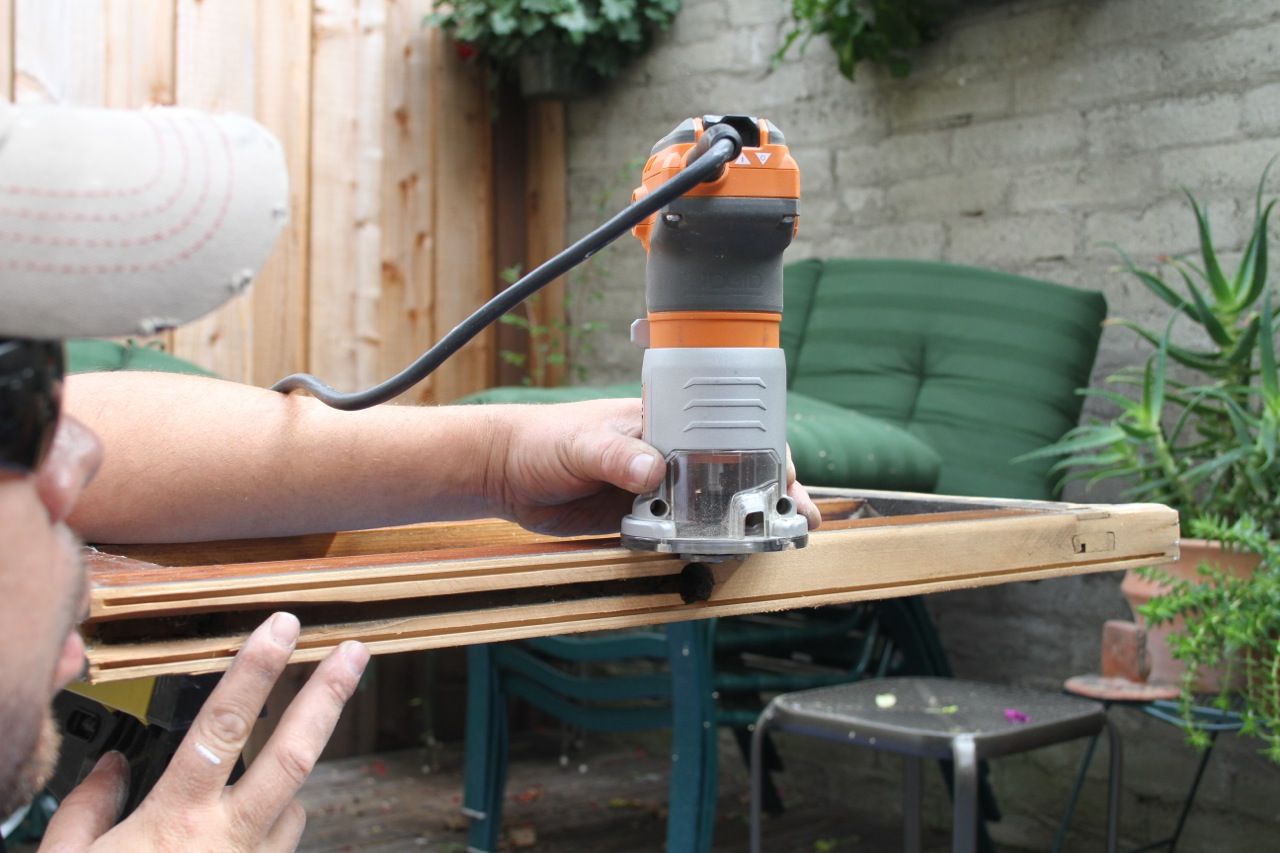
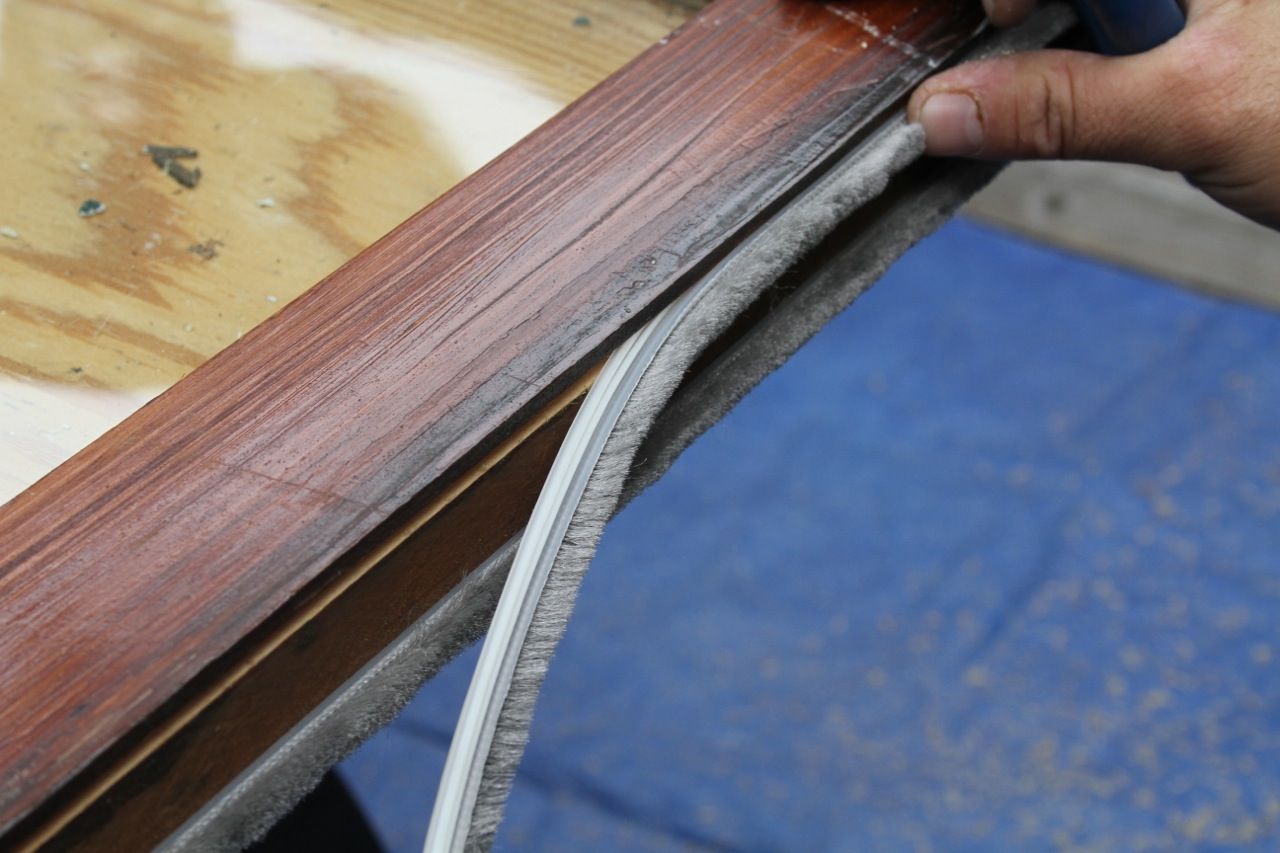
3. To add weatherstripping to movable sashes, use a router to cut two slots along each sash stile; set-back slots 1/4 in. to 3/8 in. from stile edges.
-
4. Most weatherstripping friction-fits into slots. This type has a "barbed" neoprene side that resists pulling out, whereas its other side is a feathery nylon brush that slides smoothly.
-
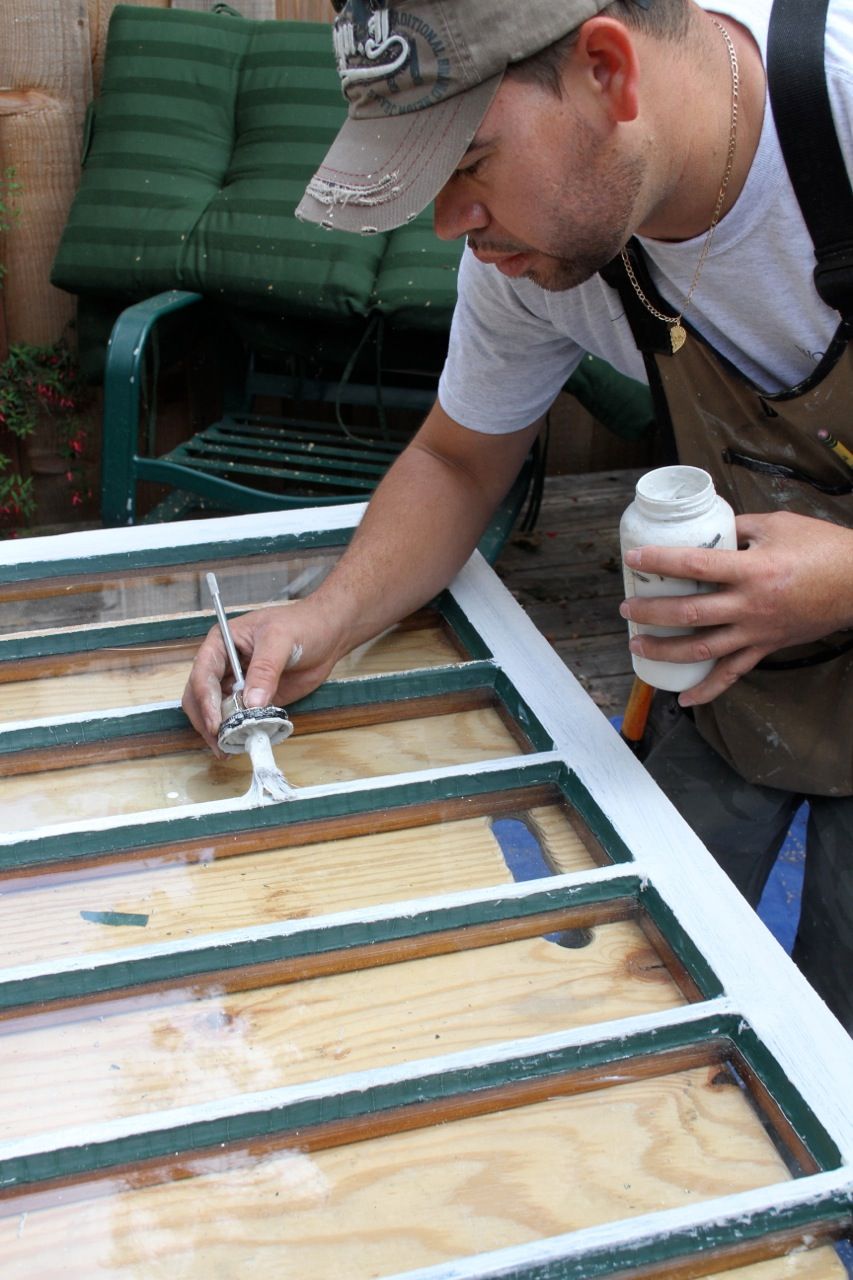
5. Prime all bare wood surfaces before returning sashes to their frames. If you have time, paint them now, too.
-
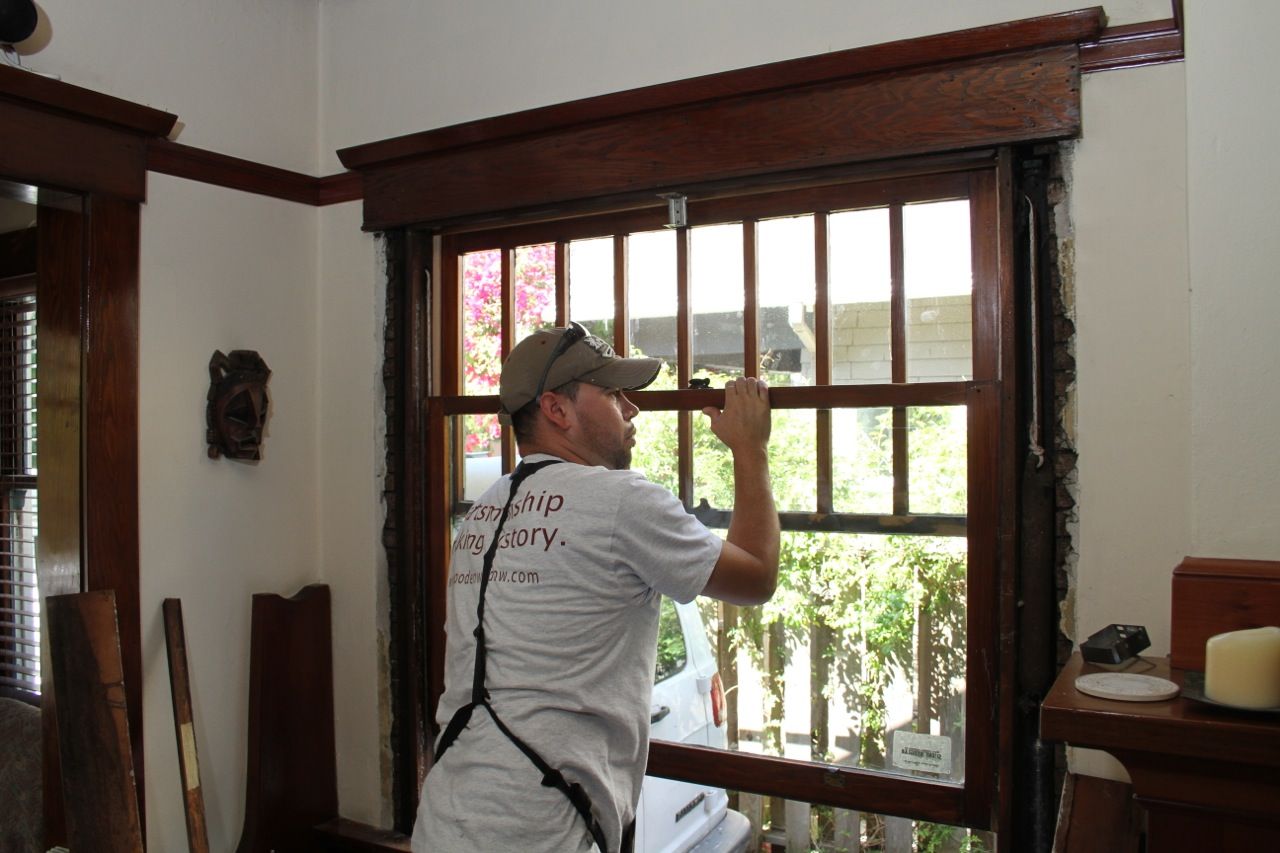
6. As you replace each sash, make sure it glides smoothly and weights rise and fall freely. Once sashes and weights are working well, close up wall cavities and renail side-jamb panels or interior casing that you removed to access sash weights.
-
Renovation 4th Edition contains the collective wisdom of hundreds of master builders and tradespeople across North America.











View Comments
Thanks for this post.you might be interested in checking out fine luxury homes by Brejnik Fine Homes (www.brejnik.ca). They build fine luxury houses. Brejnik team consists of qualified and trusted: Architects, Interior Designers, Appraisers / Lenders, Trades & Suppliers, Geo-technical engineers, Structural Engineers, Arborists, Landscape Architects, Pool & Water Feature Specialists.