previous
  • Top 10 Videos of 2011
    Top 10 Videos of 2011
  • Replacing a Roof : Installing a Ridge Vent
    Replacing a Roof : Installing a Ridge Vent
  • Fine Homebuilding: The Digital Issues
    Fine Homebuilding: The Digital Issues
  • Patrick's Barn: A Perfect Place for a Party
    Patrick's Barn: A Perfect Place for a Party
  • VIDEO: Stop Paint from Bleeding
    VIDEO: Stop Paint from Bleeding
  • Fine Homebuilding: The Current Issue
    Fine Homebuilding: The Current Issue
  • The Inspector Game: Goofs on a Roof
    The Inspector Game: Goofs on a Roof
  • 10 Basement-Remodeling Tips and Techniques
    10 Basement-Remodeling Tips and Techniques
  • How to Fill Nail Holes and Paint PVC Trim
    How to Fill Nail Holes and Paint PVC Trim
  • Your Guide to Energy Smart Homes
    Your Guide to Energy Smart Homes
  • Tool Test Preview: Compact Compressors
    Tool Test Preview: Compact Compressors
  • How to Avoid Complicated Fractions
    How to Avoid Complicated Fractions
  • 7 Small Bathroom Layouts
    7 Small Bathroom Layouts
  • The Self-Taught MBA: Inspired Reading
    The Self-Taught MBA: Inspired Reading
  • Seven Steps to Choosing the Perfect Circular Saw
    Seven Steps to Choosing the Perfect Circular Saw
next


The building blocks of sustainability

comments (0) September 15th, 2009 in Blogs        
greengiant Jeff Kolle, member
no recommendations

Click To Enlarge Photo: Dan Thornton

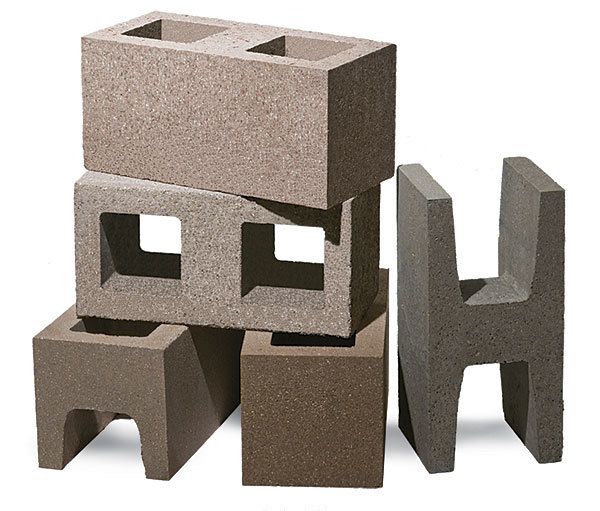
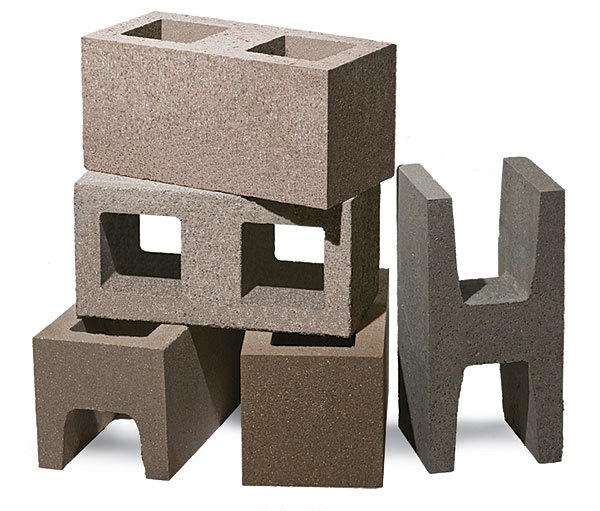
If you could buy foundation blocks that were manufactured using 15% less water and 40% less energy, with 39% fewer CO2 emissions than standard concrete masonry units (CMUs), you’d probably jump at the chance. Well, if you live in northern California, it’s no longer much of a leap.

Integrity Block in Los Altos, Calif., uses a proprietary mixture of natural soils and up to 50% recycled mining by-products to make blocks for structural building and landscaping. Along with the smaller environmental footprint of their manufacturing process, Integrity Block products boast 3 times more resistance to thermal transfer than ordinary CMUs, which reduces the heating and cooling loads in a building.

Using these blocks in a building project can generate LEED points in four categories: energy and atmosphere, recycled content, materials and resources, and indoor environmental air quality. Other LEED points are awarded for the use of products made within 500 miles of a building, but these points won’t be widely appreciated until the company moves forward with its plans to open factories in 15 other locations in the near future.
posted in: Blogs, concrete

Comments (0)

You must be logged in to post comments. Click here to login.