A credit savvy contractor is a bonus for cost-conscious clients.
For too long now, green technology has served as the building industry’s proverbial third rail. Contractors set in their ways treat solar power and geothermal energy more like kryptonite than gold, and it’s about time the building industry—and those they build for—ask themselves “why?” One of the driving forces behind any respected craftsman is the pursuit of improvement. You’d no more want to build a home that sinks into the ground than you would a structure that needlessly leaks heat like a sieve. Why is it that laminated I-beams were welcomed as a new technology 20 years ago and so-called green technology is seen merely as a political firestorm today? It’s time we learned to keep politics out of the tool box and use these new developments to our advantage.
Manic housing starts, an abysmal employment rate and past dodgy lending practices have taken a major chunk out of the industry. In tough times like these, builders and remodelers alike need to get creative with their marketing strategy. A building pro armed with a tool box full of tax saving tips is going to be a heck of a lot more appealing than a traditionalist tied to older, more conventional technologies that cost more over time.
With more green tax credit programs available than ever before, now is the perfect time to learn the ins-and-outs of these programs and ally yourself with subs versed in emerging technologies. When money’s tight, a $300K mortgage can look daunting at best, so to transform a potential client into a happy customer, contractors need to be able to present themselves as the go-to folks for money-saving construction methods that preserve dollars up front and in the future.
The current tax credits are lumped into two main categories: those available until december 31, 2010 with a $1,500 aggregate cap (for existing homes only), and those available through 2016 with no cap (existing homes and new construction). What’s more, homeowners can generally combine state incentives with those available through the federal government. All of this adds up to some serious savings which can be subtracted from a homeowner’s tax burden come April 15th.
How to Claim Your Piece of the Pie
For answers to the most common questions about earning and collecting the credits, take a look at the Top 10 FAQ list at on the Energy Star website.
Other Energy Efficiency Incentive Resources
Residential Energy Efficiency Tax Credit page at the Database of State Incentives for Renewables & Efficiency (DSIRE)
Tax Credits for Energy Upgrades at www.greenbuildingadvisor.com
Heat-Pump Water Heaters at www.finehomebuilding.com
| Tax Credits Available Until Dec. 31, 2010 – $1,500 Cap | |
|
Biomass Stoves • 30% credit for the purchase and installation of any stove with a thermal efficiency rating of 75% or higher. |
 |
|
HVAC Equipment Purchase and installation of high-efficiency heating an cooling units – including gas- and oil-fired furnaces and boilers, air-source heat pumps, and central air conditioners – qualifies for the 30% tax credit. Here are the requirements for the different types of units: • Natural gas or propane furnace: AFUE ≥ 95% |
 |
|
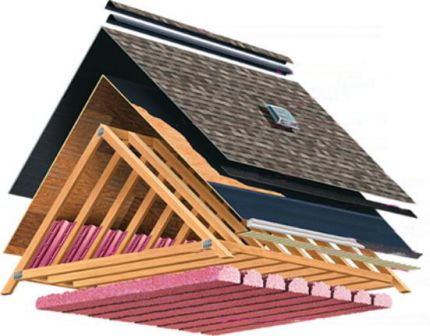
• 30% credit for the purchase of insulation meeting the 2009 International energy Conservation Code. |
 |
|
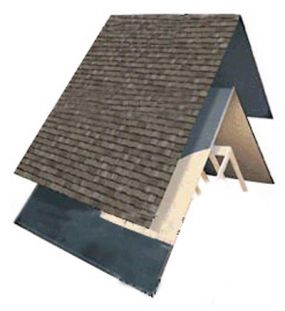
• 30% credit for the purchase of qualifying metal and asphalt roofing materials meeting Energy Star requirements. |
 |
|
Non-Solar Water Heaters 30% credit can be put towards the purchase and installation of: • Gas, oil, or propane heaters with an Energy Factor ≥ 0.82 (or 90% thermal efficiency) • Electric heat pump water heaters with an Energy Factor ≥ 2.0 |
 |
|
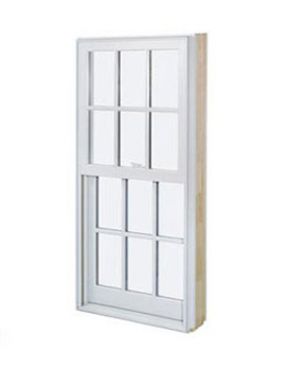
• 30% tax credit is available for the purchase of qualifying windows and doors. |
 |
| Tax Credits Available Through 2016 – No Cap | |
|
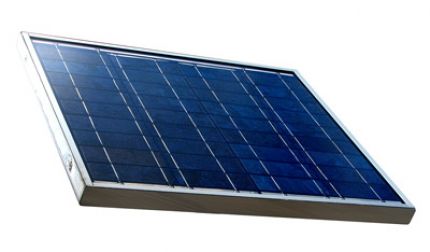
• 30% credit available for the purchase and installation of solar energy systems including solar water heating and photovoltaic systems. |
 |
|
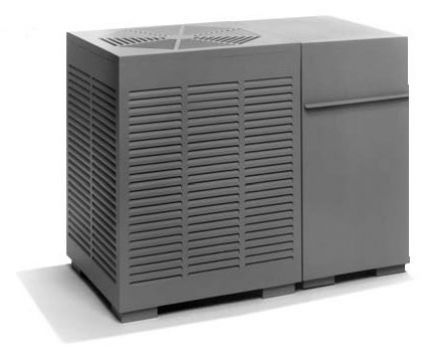
• 30% credit available for purchase and installation of any geothermal heat pump meeting Energy Star requirements. |
 |
|
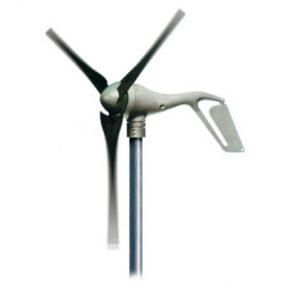
Wind Energy • 30% credit for the purchase and installation of residential small wind turbines. |
 |
|
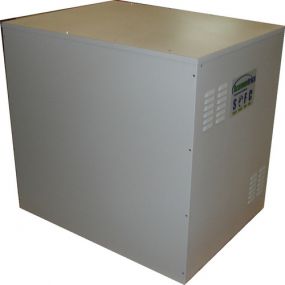
Residential Fuel Cells • 30% credit available for the purchase and installation of any residential fuel cell system with an efficiency rating of at least 30%. |
 |
Zero Energy Building Resources
Getting to Zero Energy
Common sense solutions for creating homes that are self-reliant, resilient, and versatile.
Green Building Guide
Our essential guide is loaded with hard-hitting information that covers materials, processes, and design.
Solar Hot Water
Look over the shoulder of an expert installer as he fastens panels to the roof and explains how the system works.
With more green tax credit programs available than ever before, now is the perfect time to learn the ins-and-outs of these programs and ally yourself with subs versed in emerging technologies.










View Comments
Nice summary, Ed.
And I couldn't agree more with your statement "It's time we learned to keep politics out of the tool box and use these new developments to our advantage."
Regardless of who you vote for, dumb building is dumb. I don't know any rich people who got that way by throwing money away.
I'm glad to have some tax credits in place that will encourage folks to do smart stuff, like tighten up their homes and add insulation, but unfortunately, many of the credits don't include the cost of labor. Most od the cost of insulating and roofing is in getting a truckload of guys to the site and up in the attic or on the roof. Cellulose and shingles are cheap.
And there's absolutely no incentive to get a blower door test to see how leaky a house is and where the leaks are. This simple step would go a long way towards tightening up America's housing stock and keeping some of that cash in American's pockets.
For an analysis on these tax credits, see Martin Holladay's column in Musings of An Energy Nerd here: http://www.greenbuildingadvisor.com/blogs/dept/musings/deciphering-tax-credits
For a good pathway to energy efficiency, see the sidebar Seven Steps to Net Zero in Betsy Pettit's article Remodeling for Energy Efficiency in issue 174 of FHB.
To be honest, I feel as though these credits are real no-brainers. For some, the up-front costs may seem prohibitive however, in the long run, consumers can save a heck of a lot of money. And some of this technology - like residential fuel cells, is just plane fascinating! Who knew!?
This past winter we added a foot of insulation to the attic, and re-insulated some main floor voids between the tops of the foundations and the subfloor that the original contractor ignored. Other than saving the receipts, what do we need to do now to get those tax credits?
What a disappointing little article- so typical of the content on Fine Homebuilding recently. First off, it has not been updated since November of 2009, so it is seven months out of date on the legislative history. More importantly, it does not cover all of the areas where the tax credit is available- skipping high efficiency furnaces, for one thing. It does almost nothing to tell builders or homeowners what paperwork they need to qualify for the credit. Do you need the plumber to sign off on paperwork for a high efficiency furnace? Does the window installer have to certify that the windows were installed? With no links to state or federal websites to speak of, this is the worst sort of "mailed in" article that I would expect from Better Homes and Gardens or something... Not FH. I could put together more useful content with 20 minutes of internet research.
Thanks for the feedback. I've updated the article to reflect the more recent additions to the available tax credits, and I've added a few links to other resources for energy-efficiency financial incentives.