Tool Hound: Riving Knives Explained
New to the American tablesaw market, these safety accessories deliver a much-needed safety upgrade to prevent against kickback.
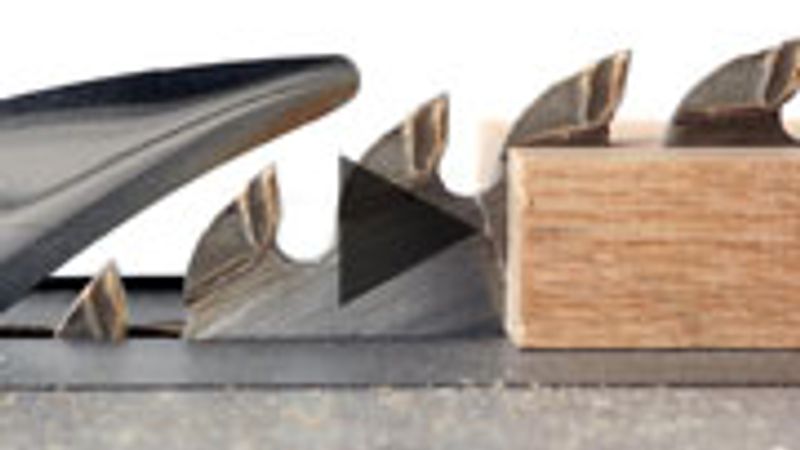
Riving knives help prevent kickback, but not all riving knives are the same. In this episode of The Tool Hound video series, we take a closer look at just how riving knives make tablesaws safer. We also show you how to set up the riving knives for different cuts.
The difference between the traditional tablesaw splitter and a riving knife is that splitters are stationary and riving knives move in unison with the blade. This action greatly reduces the chance of kickback, and allow you to make cuts that don’t extend through the full thickness of a workpiece because unlike a splitter, a riving knife can be set to the same height as the blade in any position..
Riving Knives are common in Europe but it has only recently become a fixture on American-style tablesaws. For more information on new tablesaws that feature riving knives, read Roland Johnson’s article Who’s Got the Best Riving Knife, featured in Fine Woodworking magazine issue #202.
MORE FROM THE TOOL HOUND:
Visit the Tool Hound blog for more tool reviews and to browse the archive of videos.

















View Comments
...and be sure to read the stamped writing on the riving knife for the allowable saw blade kerfs.