Permeable vs. Impermeable Pavers – What’s the Difference?
Consider the material’s cost, installation demands, and environmental impact when choosing pavers for you next patio, walkway, or driveway project.
Winter is long gone, and so is mud season. You’re out of excuses. It’s time to get that walkway laid, the patio built, or the driveway redone. When tackling these jobs with pavers, you have two options: impermeable or permeable products. When deciding which type to use, you should consider the material’s cost, installation demands, and environmental impact.
Permeable pavers reduce runoff
Up to 90% of the water that hits impermeable pavers is shed into drainage systems that can lead to rivers, lakes, or streams. This water is often full of debris and pollutants gathered from driveways, walkways, or patios. The rush of water from these systems can contribute to local flooding and erosion.
Permeable pavers, however, allow water and snowmelt to seep into the soil, which reduces runoff and helps to protect watersheds. Although permeable pavers are a bit more expensive than ordinary pavers, they don’t demand a separate drainage system, so overall costs and installation times are typically lower.
Cost: $10 to $40 per sq. ft. installed, depending on type and site parameters
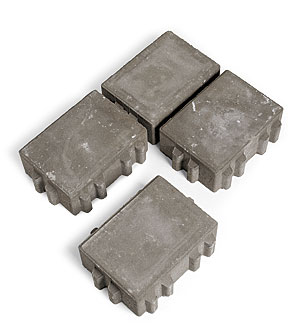
Regular pavers require less maintenance
Should you feel bad about having an impermeable driveway or patio? No, but the argument against using permeable pavers is pretty weak. Impermeable pavers are no stronger than permeable ones, and they can look nearly identical when installed.
Impermeable pavers have an important attribute, though. They require less maintenance than most permeable pavers. The aggregate between permeable pavers needs to be cleared of debris regularly to allow proper infiltration. The aggregate also might have to be topped off occasionally as it’s pulled from the voids. Impermeable pavers typically have no such demands.
Cost: $10 to $40 per sq. ft. installed, depending on type and site parameters
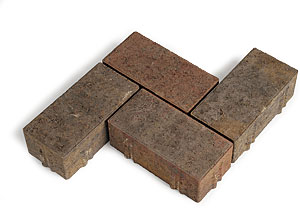
Photos by: Rodney Diaz









View Comments
How do permeable pavers work in snow country? I see a lot of freeze/thaw damage in pavement in this neck of the woods (central Idaho.)