previous
  • How To Make a Reciprocating-Saw Blade Guide Block
    How To Make a Reciprocating-Saw Blade Guide Block
  • Fine Homebuilding: The Current Issue
    Fine Homebuilding: The Current Issue
  • Fine Homebuilding: The Digital Issues
    Fine Homebuilding: The Digital Issues
  • Top 10 Videos of 2011
    Top 10 Videos of 2011
  • VIDEO: Stop Paint from Bleeding
    VIDEO: Stop Paint from Bleeding
  • Wanted: Plumber for a Bathroom Remodel
    Wanted: Plumber for a Bathroom Remodel
  • 7 Small Bathroom Layouts
    7 Small Bathroom Layouts
  • The Inspector Game: Goofs on a Roof
    The Inspector Game: Goofs on a Roof
  • Replacing a Roof : Installing a Ridge Vent
    Replacing a Roof : Installing a Ridge Vent
  • The Self-Taught MBA: Inspired Reading
    The Self-Taught MBA: Inspired Reading
  • Patrick's Barn: A Perfect Place for a Party
    Patrick's Barn: A Perfect Place for a Party
  • Seven Steps to Choosing the Perfect Circular Saw
    Seven Steps to Choosing the Perfect Circular Saw
  • 10 Basement-Remodeling Tips and Techniques
    10 Basement-Remodeling Tips and Techniques
  • Your Guide to Energy Smart Homes
    Your Guide to Energy Smart Homes
  • How to Avoid Complicated Fractions
    How to Avoid Complicated Fractions
next

Energy-Smart Advice for Remodeling

The time to think about the energy impact of an addition is before demolition begins
Length: 3:40
Produced By: John Ross

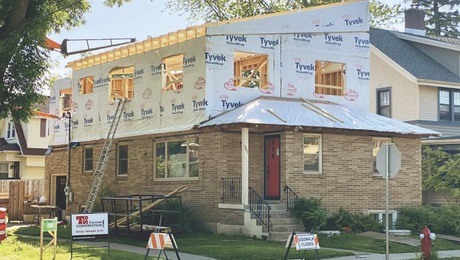
In this video, professional home-energy auditor John Jennings makes his recommendations to ensure that a forthcoming shed dormer attached to this 1950s Cape will be insulated and vented correctly. The end of the building envelope determines the type of insulation that should be used, and Jennings offers options for traditional fiberglass batting, blown-in and sprayed cellulose, and rigid foam.

For more of John's energy-saving recommendations, check out our Ask the Energy Expert Video Series.
Video by: Jean Paul Vellotti

October 7, 2008