Q:
I own an balloon-frame 1850 home with 10-ft. ceilings and a significant number of windows. What is the best way to insulate this type of house?
Kevin Delahanty, Ghent, NY
A:
Alex Wilson, editor of Environmental Building News in Brattleboro, Vermont, and co-author of Consumer Guide to Home Energy Savings (ACEEE, 1998), replies: Balloon-frame houses are challenging to insulate and seal because the wall studs extend past the floors. There are many opportunities for significant air leakage, which can not only compromise insulation performance but can also result in serious moisture problems once wall cavities are filled with insulation.
I suggest pursuing two parallel strategies. First, bring in a weatherization professional with a blower door to carry out rigorous air sealing of the building envelope (FHB #86, pp. 51-53); then hire an insulation contractor, skilled in retrofit insulation, to blow cellulose or loose fiberglass insulation into the wall cavities or to pour expanding open-cell polyurethane into the wall cavities. The insulation contractor installs the insulation either by removing clapboards or shingles, or by drilling holes through either exterior siding and sheathing or interior plaster walls. Special equipment is required for both of these options.
By combining air tightening with insulating, you will minimize moisture entry into the wall cavity. Moisture entering the wall cavities through air leaks can cause cellulose insulation to get wet and settle, which can lead to rotting. Cellulose, however, is actually more effective at blocking air leakage than blown-in fiberglass, so cellulose may be able to slow air leakage and to prevent some moisture from getting into wall cavities. But remember that with any of these strategies, the results are going to be only as good as the skills of the contractor you hire.
Fine Homebuilding Recommended Products
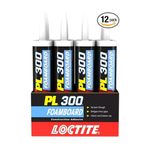
Loctite Foamboard Adhesive
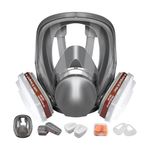
Respirator Mask
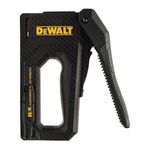
Staple Gun

Insulation Knife

Nitrile Work Gloves