previous
  • Energy-Smart Details
    Energy-Smart Details
  • How it Works
    How it Works
  • Fine Homebuilding: The Digital Issues
    Fine Homebuilding: The Digital Issues
  • 12 Remodeling Secrets Revealed
    12 Remodeling Secrets Revealed
  • Painting Ideas, Tips, and Techniques for a Professional Finish
    Painting Ideas, Tips, and Techniques for a Professional Finish
  • Meet the Fine Homebuilding Project House!
    Meet the Fine Homebuilding Project House!
  • Roofing articles, videos, tools, and materials
    Roofing articles, videos, tools, and materials
  • 10 Basement-Remodeling Tips and Techniques
    10 Basement-Remodeling Tips and Techniques
  • 7 Small Bathroom Floorplan Layouts
    7 Small Bathroom Floorplan Layouts
  • 9 Design Ideas & Tips for Concrete Countertops
    9 Design Ideas & Tips for Concrete Countertops
  • 13 Door Design and Installation Tips
    13 Door Design and Installation Tips
  • Buyer's Guide to Decking
    Buyer's Guide to Decking
  • Outdoor Kitchen Design Inspiration
    Outdoor Kitchen Design Inspiration
  • 15 Coffered Ceiling Design Ideas and Tips
    15 Coffered Ceiling Design Ideas and Tips
  • Deck Design & Construction Showcase
    Deck Design & Construction Showcase
  • 7 Solutions for Kitchen Layout and Design
    7 Solutions for Kitchen Layout and Design
  • Guide to Paperless Drywall
    Guide to Paperless Drywall
  • Complete Kitchen and Bath Guide
    Complete Kitchen and Bath Guide
  • The Inspector Game: Decking Dos and Don'ts
    The Inspector Game: Decking Dos and Don'ts
  • 2012 HOUSES Awards
    2012 HOUSES Awards
next
Pin It
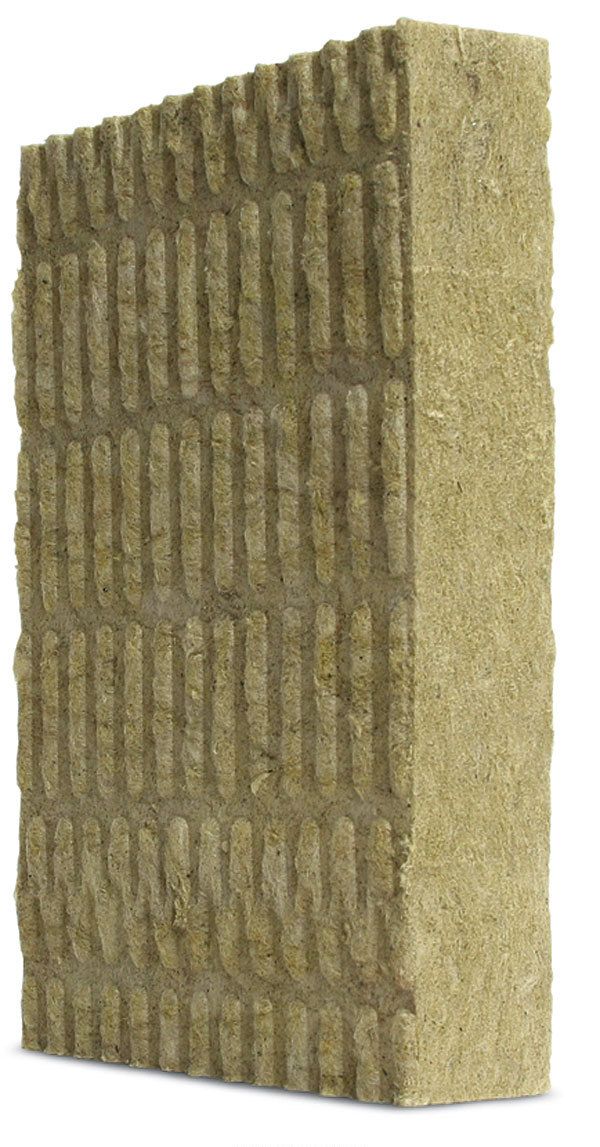
Rigid Mineral Wool Foundation Insulation

Rigid Mineral Wool Foundation Insulation

A fireproof, insect resistant, and able to drain water quickly makes this insulation a strong competitor of XPS
$0.00 (As of 11/12/2009)

(1 user review) Write a Review

View all photos
Overview

Editor's Review: Rigid mineral wool an alternative to XPS?

review date: November 12, 2009

Most foundations are insulated on the exterior, and the vast majority of those exteriors are insulated with extruded polystyrene (XPS). While XPS is widely available, affordable, moisture resistant, and well insulating (R-5 per in.), it has a few drawbacks. Termites and carpenter ants tunnel through it with impunity, often using it as a protected channel into our homes; sunlight degrades it if it isn’t properly protected above grade; and polystyrene is highly flammable, necessitating the addition of the flame-retardant chemical hexabromocyclododecane (HBCD), which is under scrutiny in the European Union as a persistent, bioaccumulative toxin (also known as a PBT).

A relatively unknown alternative to XPS is rigid mineral wool. Mineral wool is made by melting basalt (an igneous rock) or iron-ore slag and spinning cotton-candy-like fibers held together by a phenolic binder. Because mineral wool is inherently fireproof, flame-retardant additives are not required. Rigid mineral wool insulates to between R-4 and R-4.3 per in. (lower than XPS, but still respectable), is about half the price of XPS, drains water quickly, has good compressive strength, is more resistant to insects than polystyrene, and is not as susceptible  to sunlight as XPS (though a protective coating is still needed).

So what’s the catch? The downside is that rigid mineral-wool foundation insulation is not yet widely stocked in the United States and requires special-ordering, which can increase costs and result in construction delays.

Available from these manufacturers:

www.roxul.com (DrainBoard)
www.iig-llc.com (MinWool)
 

Editor Test Results:

Overall Rating Great product but not widely stocked in the U.S.

Manufacturer Specifications

Weight Varies
Dimensions Varies