Q:
What ventilation concerns do we face if we dense-pack cellulose into the rafter cavities between the ceiling and the roof?
Bob Tidball, via email, None
A:
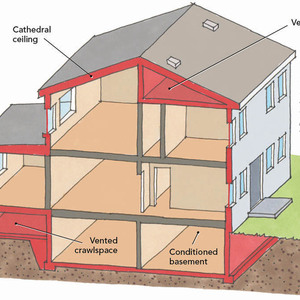
Bruce Harley, an engineer and the author of Build Like a Pro: Insulate and Weatherize , replies: Roof ventilation is a good idea if you can do it easily, but it’s not absolutely necessary. I’ve insulated many unvented roofs (including my own) with cellulose and haven’t had a problem. But there are some risks to insulating up against the roof deck. All insulation reduces the drying capability of a roof or wall assembly, whether the water comes from inside or out.
I would not do a job like this if the roof is old or has a history of leaks; a small leak will take much longer to notice and may do more damage before it’s found. Plastic vapor barriers (probably not present in older homes) would increase this risk. At the same time, cellulose is neither an air barrier nor a vapor retarder, so there is some risk of interior-generated moisture causing damage if the indoor relative humidity is not controlled. Use mechanical ventilation to keep humidity levels below 50% in winter.
If the roofing shingles are newer, insulating against the sheathing may void the warranty. Check with the manufacturer. Unvented roofs are not allowed by current codes, unless the insulation is air-impermeable; cellulose is not, so you may have trouble with your local building official unless you apply a layer of rigid foam to the underside of the rafters before drywall.
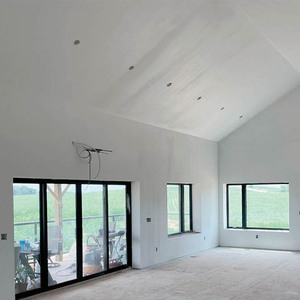
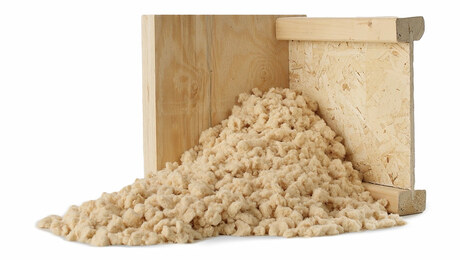
And if you have any recessed lights, replace them with modern, insulation-rated IC-fixtures to reduce the fire hazard and to meet code. For more information on dense-packing cellulose, see Insulating With Cellulose.