Two Projects with Epoxy Grout
Using epoxy grout to tile showers is a mixed experience
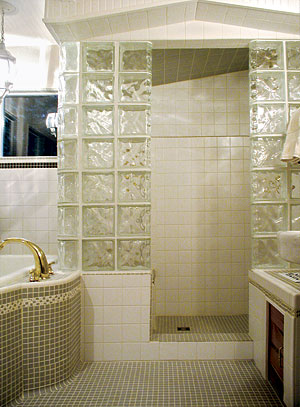
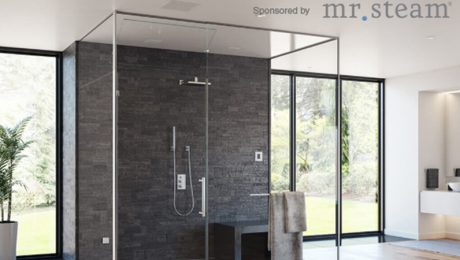
Epoxy grout is unbeatable. Mildew won’t stain it, freezing won’t spall it; nothing can hurt this stuff. I wouldn’t want a tile shower with any other kind of grout. That said, it is the most difficult material I have ever used. My first experience with epoxy grout was a steam shower in my master-bathroom renovation. I bought the smallest size of Laticrete’s Latapoxy SP-100 available.
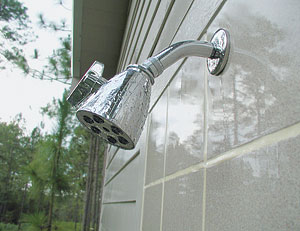
Three years later, I used the unmixed leftovers for an outdoor shower. I found some surplus 8-in. porcelain tile and installed it with ordinary latex-modified thinset over HardiePanel. Despite my prior experience, I thought this small project would go well because it was only about 4 ft. sq.—and it was winter.
Well, it was winter in south Georgia, and it was a south-facing wall. The epoxy grout started out sort of runny. Then it started to slump. When it started to become sticky, I knew I had better start cleaning the tile. I grabbed my trusty sponge and started wiping. Then, all of a sudden, the whole business flash set. I quickly abandoned the water-lubricated sponge and resorted to the same trick I had used back in the steam shower: heavy-duty solvents.
Solvents didn’t really help to remove the epoxy at all, but they made it less sticky. At least it could be mashed and scraped to some extent. I used toluene, but all I could find for a rag was a gray polyester-blend T-shirt. When I realized it was leaving gray lint in the grout lines, it was too late to do anything but try to distribute the lint evenly. Laticrete has since discontinued the SP-100 product, replacing it with SpectraLock Pro (www.laticrete.com). The manufacturer claims it has a longer working time, but admits that it still tends to set up all of a sudden when the tile surface is warm.
When contacted, the company’s technical-support department recommended tenting and air-conditioning the area to be grouted to make it as cool as possible before using epoxy grout.
Only if I didn’t have any other design option would I consider doing another project with epoxy grout. For an outdoor shower in the sun, though, porcelain tile and epoxy grout can tolerate ultraviolet rays, freezing, fire, and fungus better than anything else.
Photos by: Barbara Tomlinson