previous
  • Buyer's Guide to Decking
    Buyer's Guide to Decking
  • Meet the Fine Homebuilding Project House!
    Meet the Fine Homebuilding Project House!
  • How it Works
    How it Works
  • Outdoor Kitchen Design Inspiration
    Outdoor Kitchen Design Inspiration
  • Energy-Smart Details
    Energy-Smart Details
  • 9 Design Ideas & Tips for Concrete Countertops
    9 Design Ideas & Tips for Concrete Countertops
  • 7 Solutions for Kitchen Layout and Design
    7 Solutions for Kitchen Layout and Design
  • Guide to Paperless Drywall
    Guide to Paperless Drywall
  • Painting Ideas, Tips, and Techniques for a Professional Finish
    Painting Ideas, Tips, and Techniques for a Professional Finish
  • Fine Homebuilding: The Digital Issues
    Fine Homebuilding: The Digital Issues
  • 2012 HOUSES Awards
    2012 HOUSES Awards
  • Complete Kitchen and Bath Guide
    Complete Kitchen and Bath Guide
  • 7 Small Bathroom Floorplan Layouts
    7 Small Bathroom Floorplan Layouts
  • 10 Basement-Remodeling Tips and Techniques
    10 Basement-Remodeling Tips and Techniques
  • 13 Door Design and Installation Tips
    13 Door Design and Installation Tips
  • 15 Coffered Ceiling Design Ideas and Tips
    15 Coffered Ceiling Design Ideas and Tips
  • 12 Remodeling Secrets Revealed
    12 Remodeling Secrets Revealed
  • Deck Design & Construction Showcase
    Deck Design & Construction Showcase
  • The Inspector Game: Decking Dos and Don'ts
    The Inspector Game: Decking Dos and Don'ts
  • Roofing articles, videos, tools, and materials
    Roofing articles, videos, tools, and materials
next

Square One: Good Home Design Starts Here

Square One: Good Home Design Starts Here


The Microbial Home

comments (0) November 30th, 2011 in Blogs        
RYagid Rob Yagid , senior editor
7 users recommend

Bio-Digester. Bacteria and a steady supply of organic waste within the island produces a gas that can be used to fuel the range and overhead lamps. The dehydrated waste can be removed from the digester and composted.
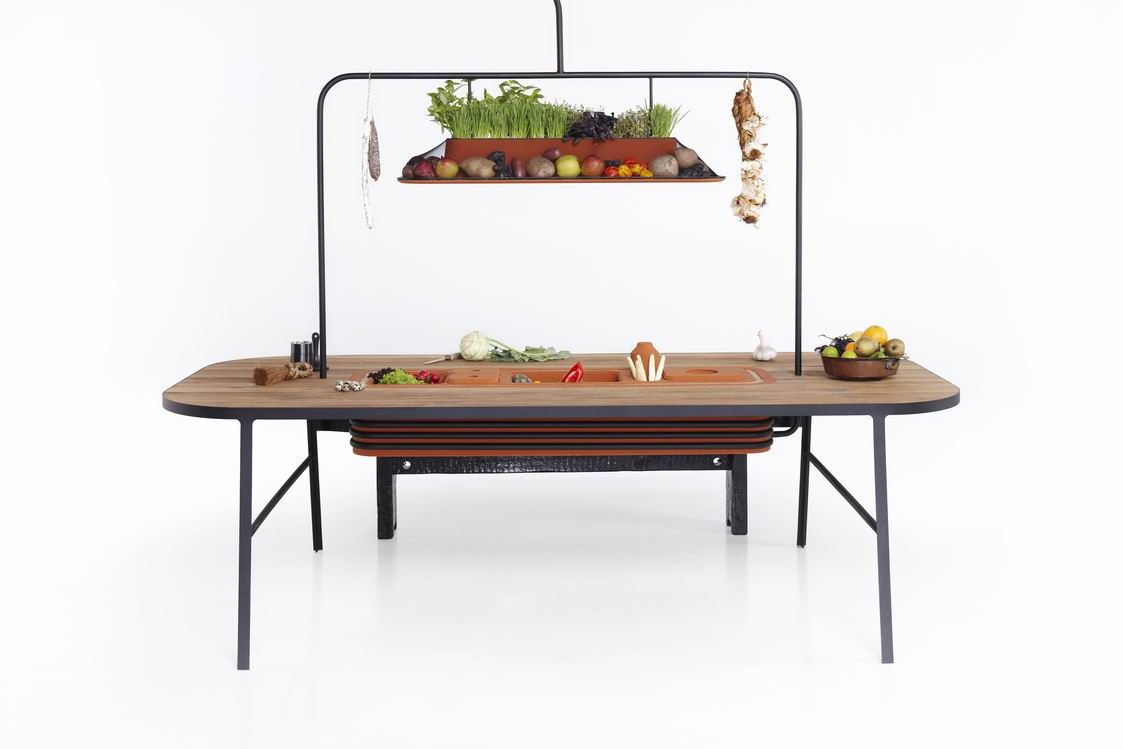
Larder. A Terra cotta evaporative cooler in the middle of a reclaimed table top keeps varying types of foods at optimal temperatures. Above, food is grown, on the basis of their symbiotic chemistry.
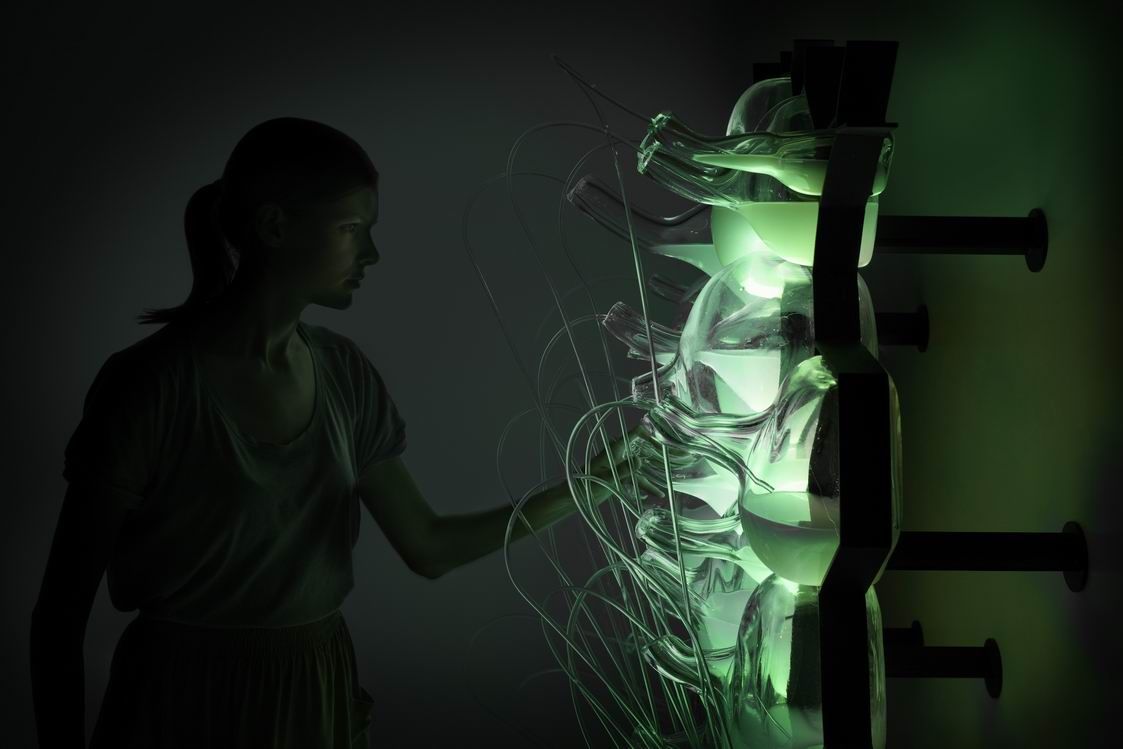
Bio-Lights. Methane and compost feed a bacteria culture within each glass cell to produce ambient lighting by bioluminescence.
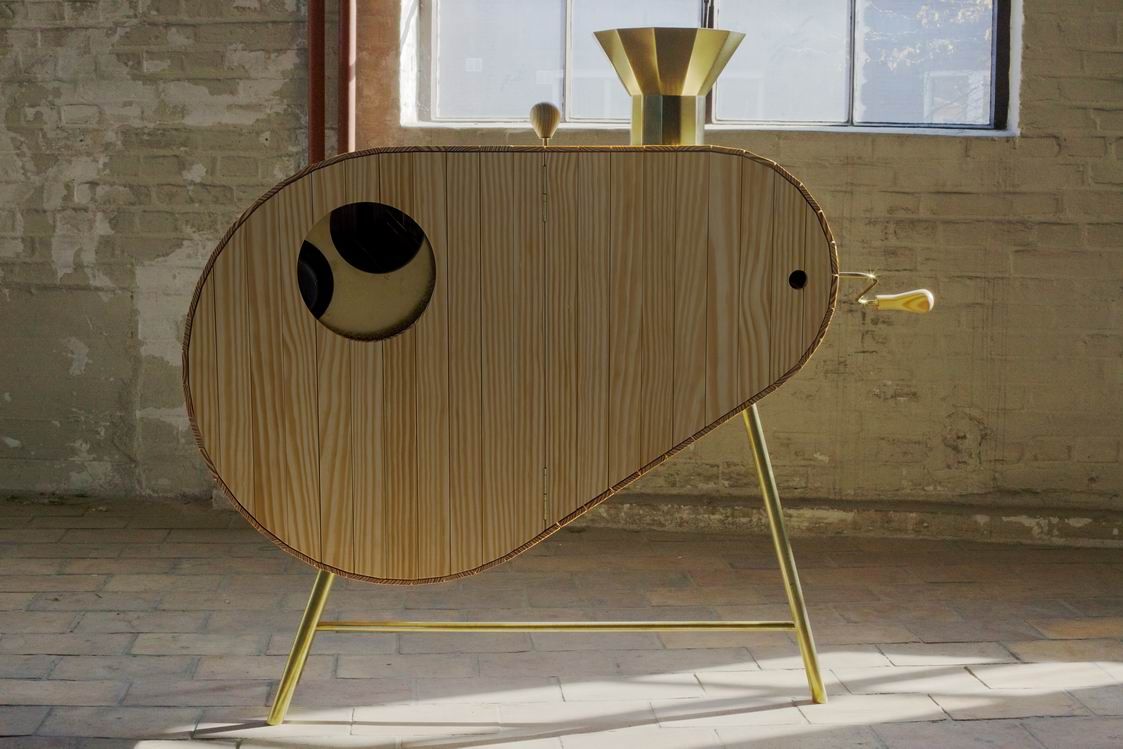
Paternoster. This composter uses fungus to break down plastic packaging products. Mycelium decomposes and metabolizes the plastic over time. At a certain point, aperatures in the composter are opened to let in light and air. At that point the mycelium sprouts edible mushrooms.
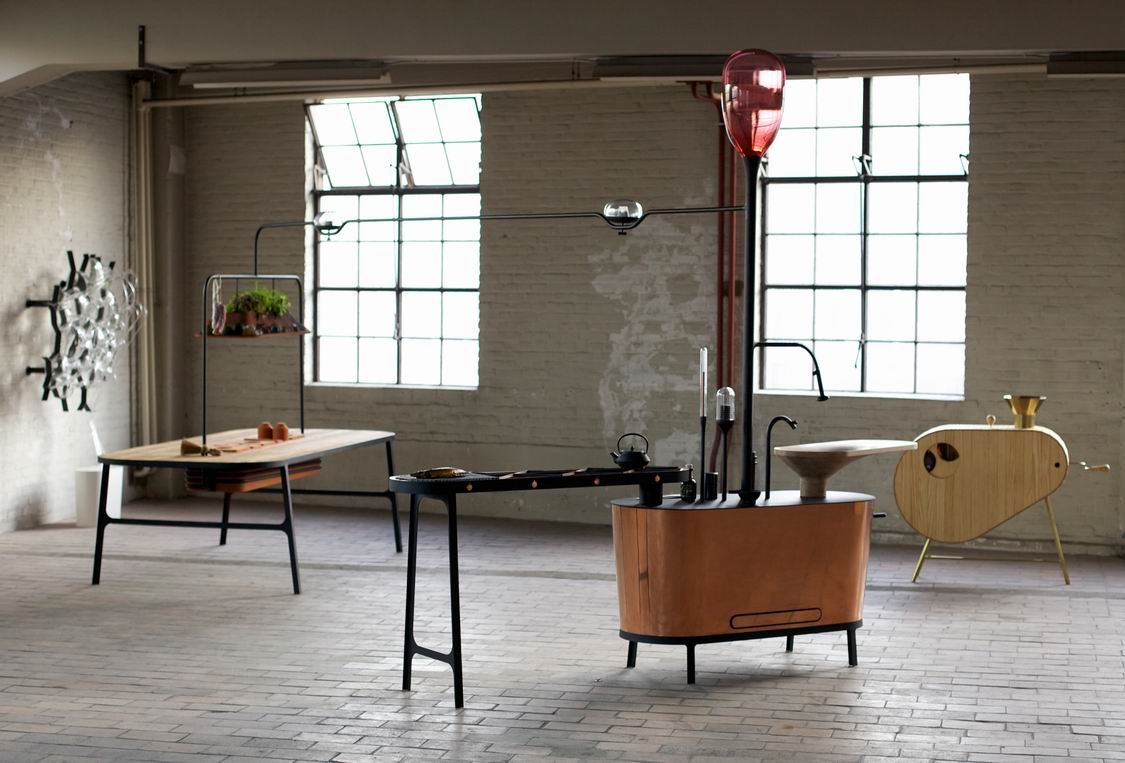
Bio-Digester. Bacteria and a steady supply of organic waste within the island produces a gas that can be used to fuel the range and overhead lamps. The dehydrated waste can be removed from the digester and composted.Click To Enlarge

Bio-Digester. Bacteria and a steady supply of organic waste within the island produces a gas that can be used to fuel the range and overhead lamps. The dehydrated waste can be removed from the digester and composted.

Photo: Philips Design

Designing a home that runs on garbage and waste water

Royal Philips Electronics, the Netherlands based design firm, recently launched its Microbial Home concept at Dutch Design Week. The project is part of Philips Design Probes, a program developed to explore “far future lifestyle scenarios”.  Ultimately their goal is to turn ordinary home outputs, like food waste, garbage, sewage and waste water, into assets that can be utilized within the home.

 
Products include:

  • A bio-digester kitchen island— a unit that turns organic waste from the home into a ‘bio-gas’ that can be used to fuel the stove and overhead lights.
  • A Larder, which is a dining room table designed to store and grow food
  • Bio-lights—lights that are powered by bacteria instead of electricity. The bacteria is fed with methane and compost taken from the bio-digester island.
  • A paternoster, which is a composter that uses mycelium to break down plastic packaging.

 
The project reminds me a lot of the work being done by Mitchell Joachim, who is exploring ways to construct living homes through pleaching.
However far flung this type of work may seem, it’s reassuring to know that there are people out there actively pushing the boundaries of what is possible in home design and construction. 

If you want a deeper dive into the Microbial Home system take a look at the firm’s web site here.


Green Building Products
The GreenSpec guide to residential building materials $37.95 more info...


posted in: Blogs, green building, architecture, kitchen, dining room

Comments (0)

You must be logged in to post comments. Click here to login.