What’s the best decking?
Wood is still king, but composites are on the rise
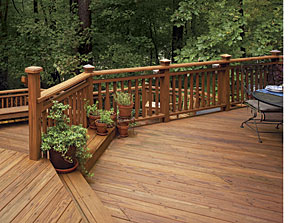
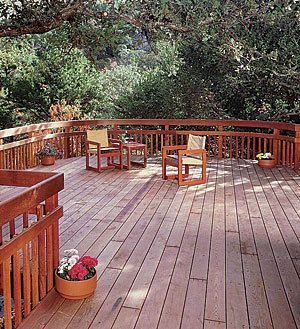
In the good old days, decking retailers sold wood species such as cedar and redwood that naturally resisted decay and insect damage. They still do, but as supplies of old-growth lumber declined in North America, far-ranging forest-products companies began offering a variety of tropical hardwoods, such as ipé, that perform just as well or better than the old standbys.
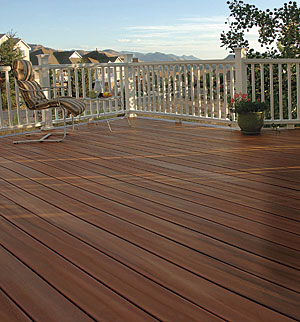
Suppliers also have pursued a variety of other strategies to improve the outdoor performance of wood: They’ve juiced it with chemicals that deter insects and rot, baked it in 500°F ovens, infused it with sodium silicate, and pickled it with acetic acid. And that’s before we get to the many wood substitutes: wood-plastic composites in which wood flour is combined with molten plastic and squeezed out of dies like toothpaste, composites wrapped in a layer of protective plastic, and all-plastic decking that contains no wood fiber at all.
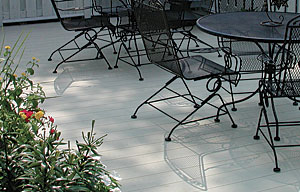
If you’re not wedded to the look of wood, you also can choose powder-coated aluminum decking, or even
modular stone or tile systems.
Composites on the rise
The most significant changes in the decking market have come with synthetics. Manufacturers of synthetic decking have had a steep learning curve over the years: First-generation wood-plastic composites would stain, get moldy, and even rot. But while updating their recipe to prevent these problems, manufacturers also have expanded their lineups with sophisticated alternatives such as cellular-PVC and capstock decking.
Synthetics need less maintenance than wood, but they’re not foolproof. Some have the unmistakable look of plastic. They’re generally more expensive than basic wood decking, and they’re not completely impervious to the effects of weather. There have been reports, for example, of swelling in the ends of capstock decking when water reaches the unprotected composite core.
No decking is perfect, but the sheer number of natural-wood and synthetic products is giving builders and homeowners a long list of options.
Learn more: