• 877-267-2499; www.boschtools.com
Mike Guertin and Brian Walo weigh in on Bosch’s Multiconstruction Bit and DareDevil Bit.
Multiconstruction bit: The jack-of-all-trades
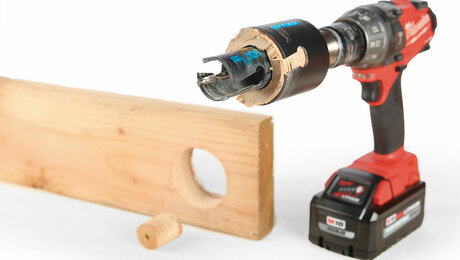
I like nothing more than trashing tools that have unrealistic manufacturers’ claims, so when I heard that Bosch was bragging about a bit that can be used to drill wood, plastic, metal, concrete, and tile, I geared up for a torture test.
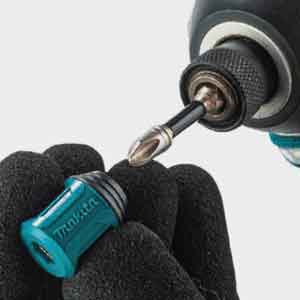
I started by chucking one of the bits—which look like sharper versions of carbide-tipped masonry bits—into my impact driver and boring holes into the granite boulders that a glacier left in my backyard. I figured the edges of the bit would be so beat when I was done that they would never bore through anything else. But the noticeably dull bits still cut through wood and heavy-gauge steel, although the holes in both were definitely rough.
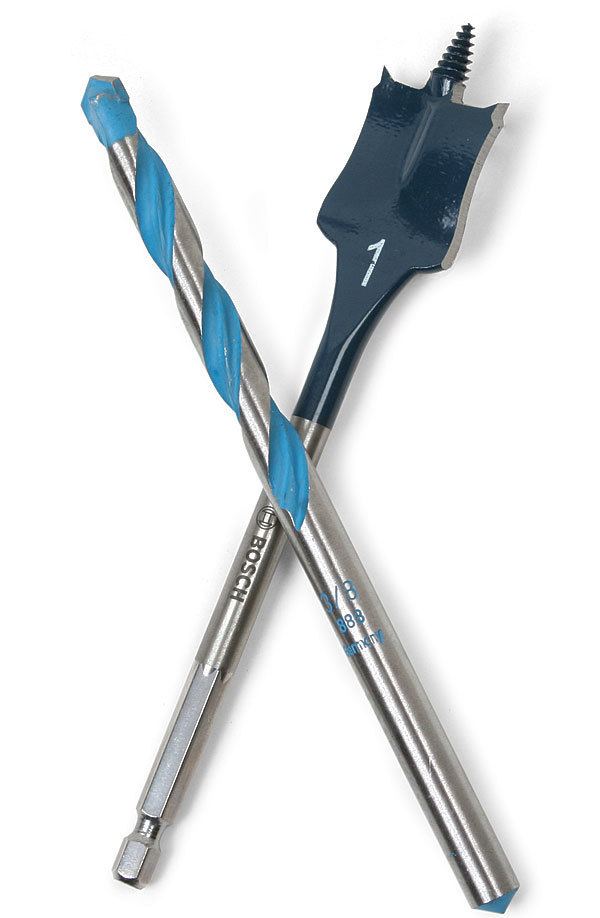
So what’s the point? I think these bits are a jack-of-all-trades and master of none. They would be ideal for remodelers who need to drill through layers of different materials—for instance, tile on a mortar bed with plywood underneath, metal fin-tube heating panels over plaster walls, or mudsills on a foundation. Bosch’s bits are available in 3-in., 6-in., and 10-in. lengths, with sizes ranging from 1/8 in. to 1/2 in.
(Note: the multiconstruction bit is the one with the blue stripe).
• Cost: $4 to $18, depending on size
—Mike Guertin
Daredevil bit: The ace of spades
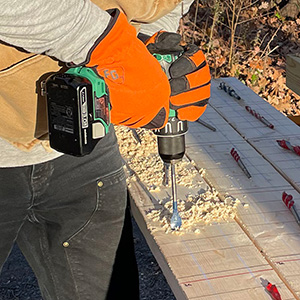
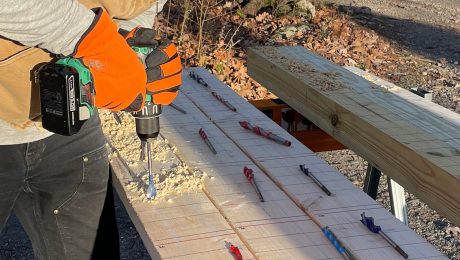
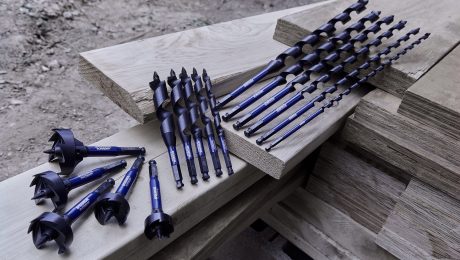
I guess I never really put much thought into the brand of spade bit I was using. I resigned myself to the fact that they were a means to an end and all about the same: quick to dull, likely to jam, and prone to blowing out the back side of wood. Bosch’s new DareDevil bits were a surprising change.
First, they are made from a thicker gauge of steel than most bits I’ve used, and their scalloped shape makes quick work of chip ejection. In other words, they sail through stubborn framing lumber.
The two spurs at the tip of each bit are meant to help the bit enter and exit the cut as cleanly as possible. Not only do they effectively minimize blowout, but they also score delicate materials such as veneer plywood well enough to ease my hesitations about using them on cabinets.
DareDevil bits are available in 4-in., 6-in., and 16-in. shaft lengths (extension shafts are also available), with sizes ranging from 1/4 in. to 1-1/2 in.
• Cost of six-piece set: $14
—by Brian Walo
Photo by: Dan Thornton