What’s the Difference: Phillips-head screwdriver bits
Choosing the right bit helps prevent stripping screws
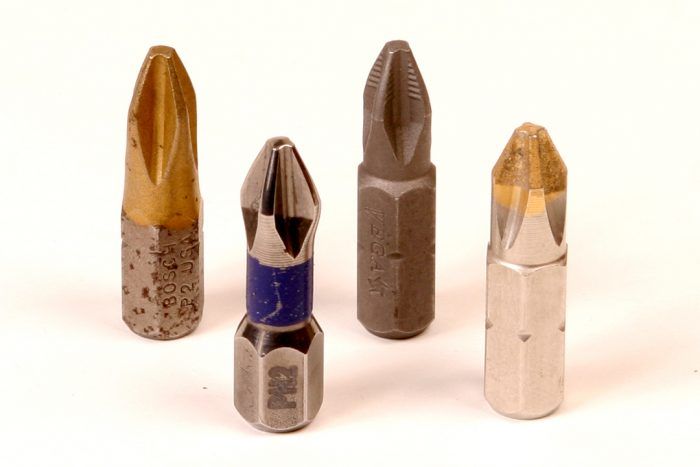
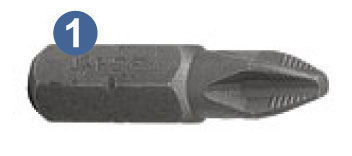
Henry F. Phillips patented the cruciform Phillips-head screw and driver in the 1930s. Originally designed for assembly-line work, the Phillips bit was intended to slip or cam out of its recess when excessive torque was applied, preventing unskilled laborers and machines from overtightening fasteners.
Cam-out, however, can lead to stripped screw heads and frustrated tradespeople. This explains why manufacturers have developed bits that counter Phillips’s original intent by gripping a screw rather than camming out of it.
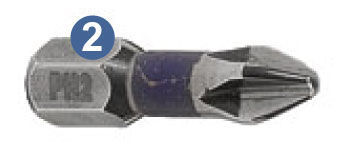
1. Ribbed bits have stronger holding power
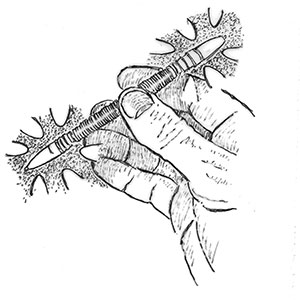
These bits have ribs machined into the driving and removal side of each wing, which bite into the inner surface of a screw head under pressure. Ribbed bits are less likely to cam out of a fastener, so less pressure is needed to keep the driver in contact with the screw, reducing user fatigue. Cost: $1 or less each
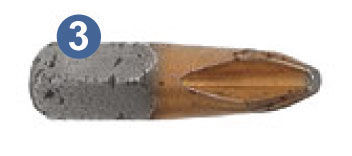
2. Forged bits last longer than milled bits
The wings on forged bits are more consistently symmetrical than on milled bits. This design results in an improved fit in the screw. Also, the grain of the steel is not disturbed by the forging process as it is during milling, so the bits are stronger and last longer. Cost: about $1 each
3. Titanium-coated bits are made of steel
The rough steel surface on these bits provides greater friction between the fastener and the bit. The titanium coating preserves the rough texture of the steel and prolongs the performance life of the bit. Cost: about $2 each
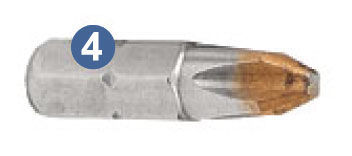
4. Diamond-encrusted bits are expensive
The diamond granules on the tips of these bits increase friction between the internal surfaces of the fastener and the bit to reduce slippage and to minimize user fatigue. This bit’s gripping power, however, can diminish more easily over time because the diamond granules are susceptible to wearing off. Cost: $3 or more each
Photo by: Rob Yagid










View Comments
Or you could just use a Robertson screw (ie. square head). Invented in Canada in 1909. Henry Ford wanted to use it in his assembly line but Robertson would not sign over the patent. Hence Phillips caught on in the 30's but the Robertson is a far superior screw to this day. https://www.collectionscanada.gc.ca/cool/002027-2008-e.html
Personally, I've been buying Torx head screws whenever I can find them in the sizes I need. They are a vastly superior screw in my experience. You can even drive them with the bit at an angle to the centerline of the screws which makes starting them much easier in tight spaces or at odd angles.