Circular Saws: Sidewinder vs. Worm-Drive
Learn the key differences between these two styles of power saws to decide which type you should buy.

Geography has a lot to do with a carpenter’s choice in circular saws. In pockets of the West and Midwest, worm drive saws are the common choice. In the East, sidewinder saws are king. Many carpenters have one or more of each, using them for different applications.
So, just what is the difference between these two styles of saw? Let’s take a closer look.
What are the mechanical differences?
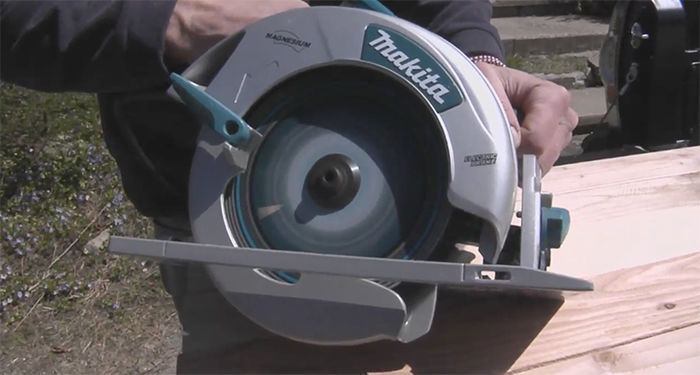
Clearly these two saws look different, and that difference is due to the position of the motor and gearing.
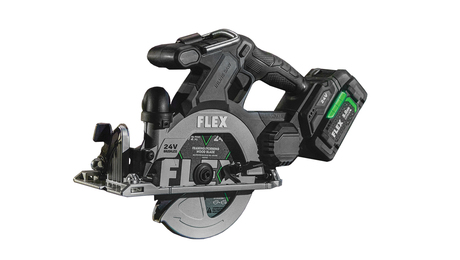
A sidewinder uses a motor with what’s technically called a spur-gear. By nature of this gear, the motor must be in line with the spinning blade, and this means the blade spins fast, in the neighborhood of 6,000 rpm. As you can see, the motor position allows for a fairly compact lightweight saw.
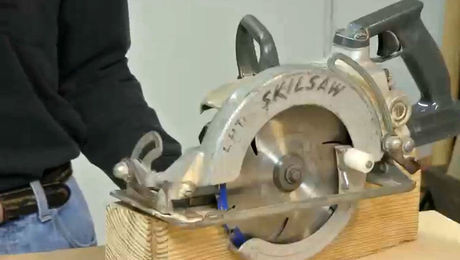
A worm-drive motor is at the rear of the saw, and its power is transferred to the blade with a pair of gears that are oriented at a 90 degree angle. This gear setup reduces the speed of the blade, typically in the neighborhood of 4,500 RPM, but increases torque. Obviously, this motor position leads to a longer saw, but it’s also significantly heavier.
How does each type of saw handle?
There are exceptions, but by and large, a sidewinder will have the blade on the right and a worm drive will have the blade on the left. Depending on whether you are righty or lefty, this will affect sight lines and working habits. Let’s assume you’re a righty…
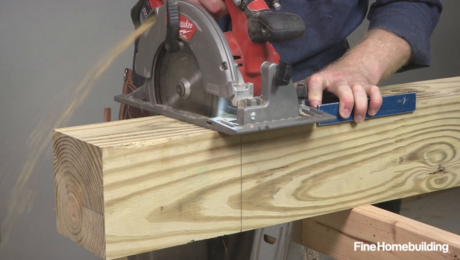
With a sidewinder, the blade is on the right side and the weight of the tool is on the left. This design keeps the weight of the tool on the solid part of the board rather than the cutoff. The tradeoff is that it’s more difficult to see the cutline. Typically cuts are made on sawhorses or right on the stack of lumber. However, the lightweight of a sidewinder makes it a good choice for working overhead. Some will also argue that the blade position helps ensure that both hands are kept a safe distance from the cut. In use, the compact lightweight sidewinder is much easier to handle
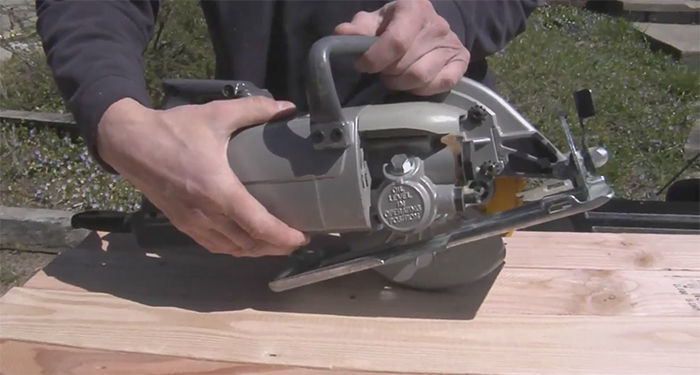
With a wormdrive, the blade is on the left side, leaving the majority of the weight on the right. This design changes the way the blade is installed. It also makes it super easy to follow a cutline, but can be dicey if you’re used to working on sawhorses. Many worm-drive users either cut right on the stack of lumber, or take advantage of the tool’s weight by cutting boards in a handheld position. The extra length of the tool also makes it handy for gang cutting wide stacks of lumber or long sheet goods. Its shape also makes plunge cuts easier.
Bottom line: It’s all about the way you work
The choice between worm-gear and sidewinder saws is one of the most argued tool topics among home builder and remodeler. The truth is that one saw isn’t better than the other, it just depends on how you prefer to work and what feels comfortable and safe based on the type of cutting you typically do. Balance, weight, and sight lines are the key details to consider.
The best way to know for sure which saw fits your needs is to try one of each style and feel the difference for yourself. The next best thing would be to head down to your local tool retailer and at least test out the grip, weight, and sight lines of both types of saws. Luckily these days most local retailers will sell both types of circular saws, but if not, online retailers certainly bridge the longstanding geographical biases, so that means the decision is all yours.
More about circular saws:
Tool Tech: Hitachi’s Worm Drive – This corded, rear-handle framing saw is built for all-day cutting.
Using a Worm-Drive Saw – Know where to put your hands and use this heavy saw’s weight to your advantage.
Skilsaw Sawsquatch 10 1/4 in. Worm Drive Saw – This 15-amp saw with a 10 1/4-in. blade can cut a 4×4 in one pass.
Mag SHD77M Circular Saw Review – This rock-solid worm-drive saw has lots of power and great balance.
Cutting Curves with a Circular Saw – Learn how to use a worm-drive saw to make curved, plunge, and drop cuts.














View Comments
The article seems to ignore the fact that several left-bladed sidewinders are available. I have two of them (both Porter-Cables).
Thanks for the explanation. I had been looking for info on this topic, and had come up dry. I am a lefty, and also have one of the left-bladed Porter Cables. I occasionally use some worm drive skil saws on construction sites, and can really tell the difference in weight.
I would recommended this saw to anyone needing a light small saw for versatility that can do pretty much anything you can imagine. http://www.cordlesscircularsawguide.com/cutting-is-a-breeze-with-the-dewalt-bare-tool-cordless-circular-saw/
Recommend a excellent saw ttp://www.cordlesscircularsawguide.com
Very good Work ..
I liked the saws compact, easy to use, so I think sidewinders are king