
How to Fill Nail Holes and Paint PVC Trim
Despite what manufacturers say, sometimes you do need to finish this durable exterior trim
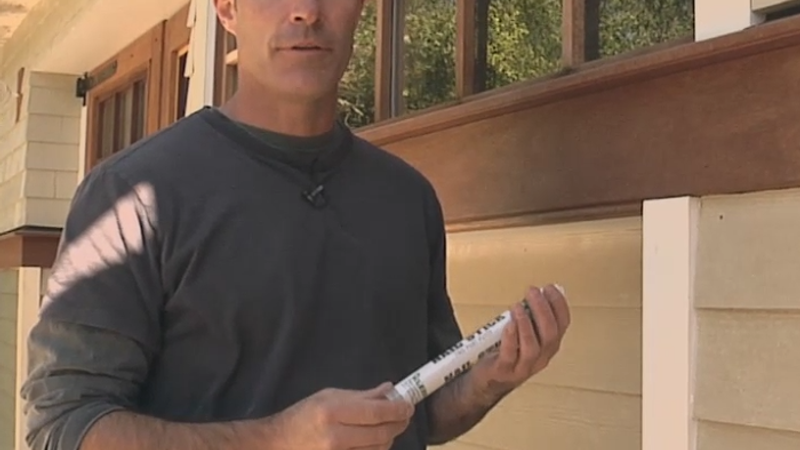
Remember when you knew exactly what to pick up at the lumber yard for exterior trim? It’s been a while now since the obvious choice was the most rot-resistant solid wood available in your area. Manufactured trim made from wood, plastic, composites, and cement, is now widely available. These engineered options promise not only to be durable materials, but to take and hold finishes with less maintenance. PVC trim is a popular choice. And for carpenters comfortable working with wood, the switch to PCV is manageable.
There are still some things to know about working with PVC. One common question builders ask is, “Does PVC trim need to be painted?” Manufacturers say it doesn’t, however they do recommend hiding or finishing cut edges, which will be more porous than the factory surface. However, this advice doesn’t necessarily reflect the experience of builders and painter who have worked with PVC.
Pro painter Jim Lacey says PVC is a breeding ground for mildew growth. “Just last year my company completed a very large PVC trim job in which all the trim required washing and removing mildew even though the trim was installed only months prior,” wrote Lacey, “It is possible that this issue is indigenous to the New England region, however I have no evidence to support this.” He also notes that some people want the durability of PVC, but would prefer a color other than white. Given Jim’s experience, we asked him to show us how he fills nail holes and paints PVC trim for a long lasting finish.
Jim’s tips for filling nail holes in PVC:
-Use a 2-part epoxy nail-hole filler made for PVC.
-Using your hands, blend the two different epoxy components until the color is evenly mixed.
-Only mix as much epoxy as you can use in fifteen minutes.
-Applcation: For small holes use your finger. For larger holes use a 1-inch putty knife.
-Completely fill the nail holes, leaving them slightly crowned to sand after the epoxy sets. Or, work it as smooth as possible by shaving it off with a putty knife or working it in with your fingertips.
-For sanding, use 100 to 120 grit sandpaper with light pressure.
-Use a dry rag to clean away any dust.
Jim’s tips for painting PVC:
-Always paint PVC for mildew and dirt resistance.
-Don’t use a primer.
-Use a 100% Acrylic paint.
-Spot prime large nail holes with the Acrylic paint.
More on PVC Trim
How to Install PVC Trim – See the unique methods that are needed to install this trim work material.
New Trim Fit for an Old House – A traditional porch project offers lessons in style, proportions, and seamless transitions.
PVC Roof Trim – A coastal builder’s technique for durable and weathertight fascias and soffits is based on years of experience with plastic trim.
Watch more Building Skills videos.

View Comments
I am a manufacturer of PVC products. wholesalemillwork.com if you would like to take a look. This article simply is not true. All cellular PVC is manufactured with UV Stabilizers and is NOT required to be painted. It would be beneficial to fill in the cut edges as they are a bit more porous than the smooth factory face, and more prone to collecting dirt and grime, but PVC is not required to be painted. It will hold up for a lifetime just as well without paint as it will with paint.
I noticed that Jim didn't protect his hands when mixing the epoxy putty. Repeated exposure to epoxy leads to an acquired allergic response in you body. A similar reaction is also found in latex and poison ivy. To avoid developing a sensitivity, you must wear gloves when handling uncured epoxy and a dust mask when sanding the cured product.
Kurt is absolutely right . As a home builder ,I've been using PVC exterior trim for years and as long as you keep any cut edges unexposed , use the right fasteners (also matching plugs made to fill fastener holes)you'll never have a problem . Painting this stuff would be just adding a lifetime of maintenance . Rediculous ! Where did fine homebuilding get this information that it needs to be painted ?
Why the exotic, nuisance to mix epoxy putty? I have used simple acrylic based interior/exterior spackling compound with no problems. You can caulk with acrylic caulk and paint with acrylic paint, so why not acrylic spackling compound? On the topic of caulk, why is he painting when the siding butting up to the trim has clearly not been caulked?
Thank you for your interest and your comments. It is important to keep in mind that this video and my suggestions are based solely on my field experience. While I cannot argue with you that PVC manufactures do not require their product to be painted, it is my experience that raw PVC is a breeding ground for mildew growth. Just last year my company completed a very large PVC trim job in which all the trim required washing and removing mildew even though the trim was installed only months prior. It is possible that this issue is indigenous to the New England region, however I have no evidence to support this. Also, please remember there are many custom PVC trimmed homes whose owners and architects desire a color other that white. I hope that this video can serve as a useful tool for them.
I have had great success with the epoxy putty. Ordinary putty may be effective in the short term, or even long term, however I am more confident in the strength of epoxy. In regards to types of caulking, I try to caulk sparingly as expansion and contraction can lead to unpleasant cracking. This is a maintenance issue. I have personally not had any allergic reactions as a result of direct skin contact with epoxy, however, I was remiss to not advise the use of a mask while sanding and gloves. There surely is nothing that is more paramount than safety on a jobsite.
I had a couple of large bay windows installed Fall 2010 and did not paint the PVC trim, by the end of Summer 2011 the trim had mildew and looked awful, cleaned and used the same epoxy which was recommended by local building supply. I agree on the " not easy to work with ". After two coats the windows look better than new. I live in CT. Perhaps not all PVC is created alike.
If you are about to renovate your home, you must try installing PVC windows Sheffield for making it a better place to live, as these windows are capable of resisting too much of rise and fall in the atmospheric temperature.
The video is very helpful. What is the brand of the 2 part pvc trim putty used in the video?